LET’S PLAY AND LEARN
LET’S PLAY
& LEARN
At Fact Forward, we believe that learning is most effective when it is engaging, interactive, and fun. That’s why we use a unique Play & Learn approach to help children understand and combat misinformation from an early age.
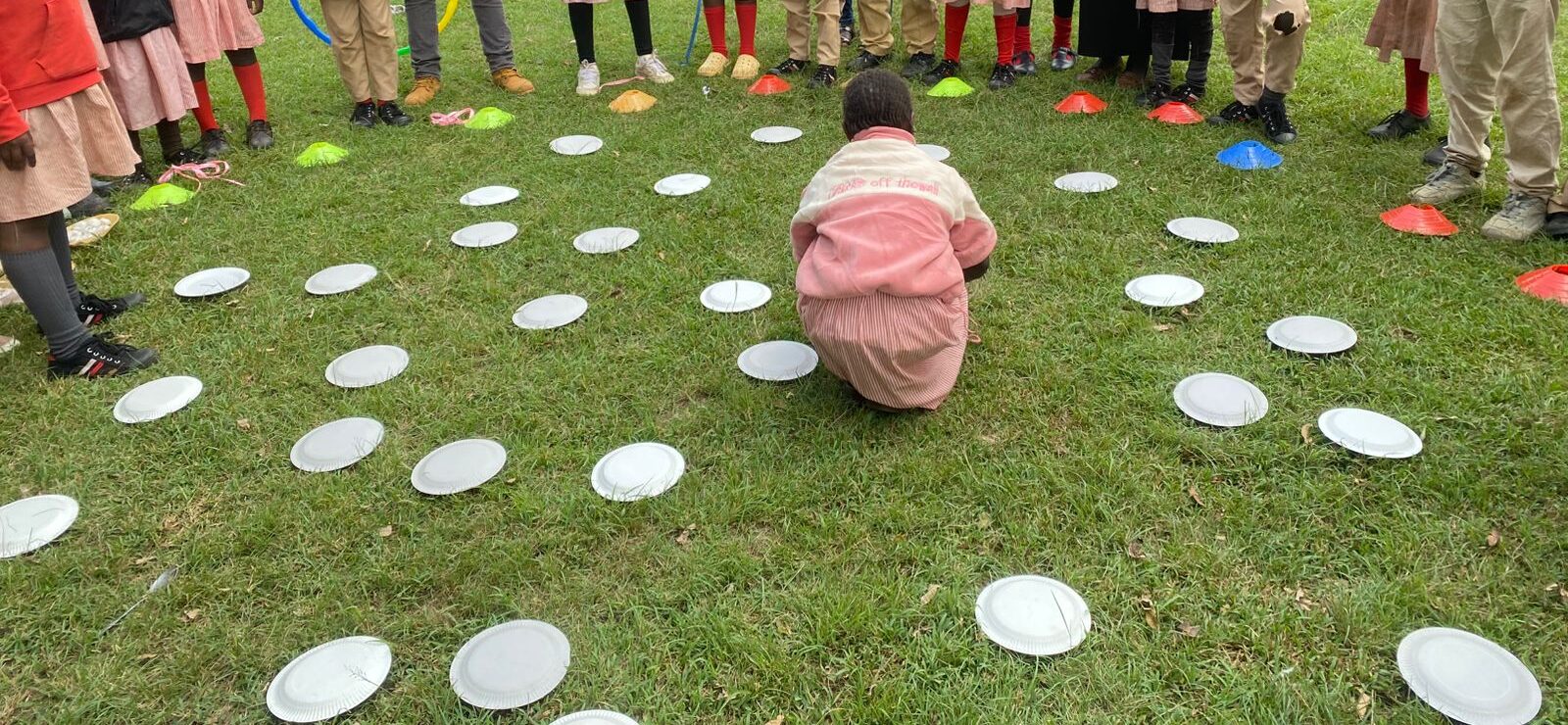
In a world where false information spreads rapidly online and offline, children need more than access to information—they need the skills to question, analyze, and verify what they see and hear. Through carefully designed games, outdoor activities, and interactive learning experiences, we empower young learners to develop critical thinking skills while enjoying the process of learning.
Why Play Matters
Research consistently shows that play is one of the most powerful tools for learning and development. It supports children’s cognitive, social, emotional, and physical growth while helping them build essential life skills such as problem-solving, teamwork, communication, empathy, and resilience.
Studies have found that play-based learning can improve problem-solving abilities by up to 45%, while 70% of teachers report better classroom behaviour when play is integrated into learning. Through play, children gain confidence, strengthen their decision-making skills, and learn how to evaluate situations from different perspectives.
These skills are critical in today’s digital world, where young people are constantly exposed to information, opinions, myths, traditions, and beliefs that shape how they understand the world.
Tackling Misinformation Through Play
Our Play & Learn activities create safe and inclusive spaces where children and young people can openly share ideas, ask questions, and explore different viewpoints without fear of judgment.
By encouraging active listening, collaboration, and respectful dialogue, participants learn to recognize bias, challenge assumptions, and understand the importance of evidence-based thinking. This approach helps break down barriers created by misinformation, stereotypes, myths, and misinformation-driven narratives while promoting mutual understanding and respect.
Through interactive games and outdoor learning experiences, children learn not only how to identify misleading information but also how to think independently and make informed decisions.
Our Play & Learn Goals
Through every activity, we aim to help children:
- Discern what is true and what is false.
- Develop strong critical thinking and problem-solving skills.
- Break the monotony of traditional classroom learning.
- Build friendships, trust, and teamwork.
- Strengthen communication and active listening skills.
- Challenge misinformation and information barriers from an early age.
- Explore and understand different perspectives and worldviews respectfully.
- Build confidence, resilience, and curiosity.
- Become responsible digital citizens prepared for the future.
Preparing Children for a Complex World
Learning through play is more than entertainment—it is preparation for life. The skills children develop through play help them navigate school, relationships, work, and the increasingly complex digital landscape. By fostering curiosity, critical thinking, empathy, and media literacy, we are helping raise a generation of informed, resilient, and responsible young people who can confidently distinguish fact from fiction and contribute positively to their communities.