
Children today are growing up in a world where information is everywhere.
A question can be answered in seconds, a news story can reach millions of people within minutes, and a social media post can shape how a young person understands themselves and the world around them.
But access to information does not automatically mean knowing how to understand it.
A young person may know how to search the internet, create a TikTok video, use artificial intelligence or navigate social media, yet still struggle to determine whether the information they encounter is accurate, misleading or deliberately false.
This is where Media and Information Literacy (MIL) becomes essential.
Media and Information Literacy is about giving people the knowledge and skills to access, analyse, evaluate, create and engage with information responsibly.
For children and young people, these skills are increasingly important as they navigate digital spaces where fact, opinion, advertising, entertainment and misinformation can appear side by side.
Why does this matter in schools?
Schools are not only places where young people learn academic subjects. They are also spaces where they develop the skills they need to participate in society.
As digital technology becomes increasingly embedded in everyday life, education needs to prepare young people for more than simply using technology.
They need to understand the information they encounter through it.
A media and information-literate learner can ask important questions:
Who created this information?
Why was it created?
What evidence supports it?
Can the information be verified elsewhere?
What might be missing from the story?
What happens if I share it?
These questions encourage curiosity rather than blind acceptance. They help young people pause, investigate and think critically before believing or sharing information.
Conversations about children and the digital world often focus on keeping young people safe from online risks. Safety is important, but protection alone is not enough.
Young people also need the confidence and skills to participate meaningfully in digital spaces.
They need to be able to recognise misleading content, understand how information is produced and distributed, identify persuasive techniques, recognise bias and understand how their own digital behaviour can influence others.
Most importantly, they need to know that they have agency.
Children are not simply passive recipients of information. They are readers, viewers, creators, commenters, sharers and participants in the digital information ecosystem.
That means they should have a voice in conversations about the digital environments they inhabit.
Media and information literacy cannot be left to young people to figure out on their own.
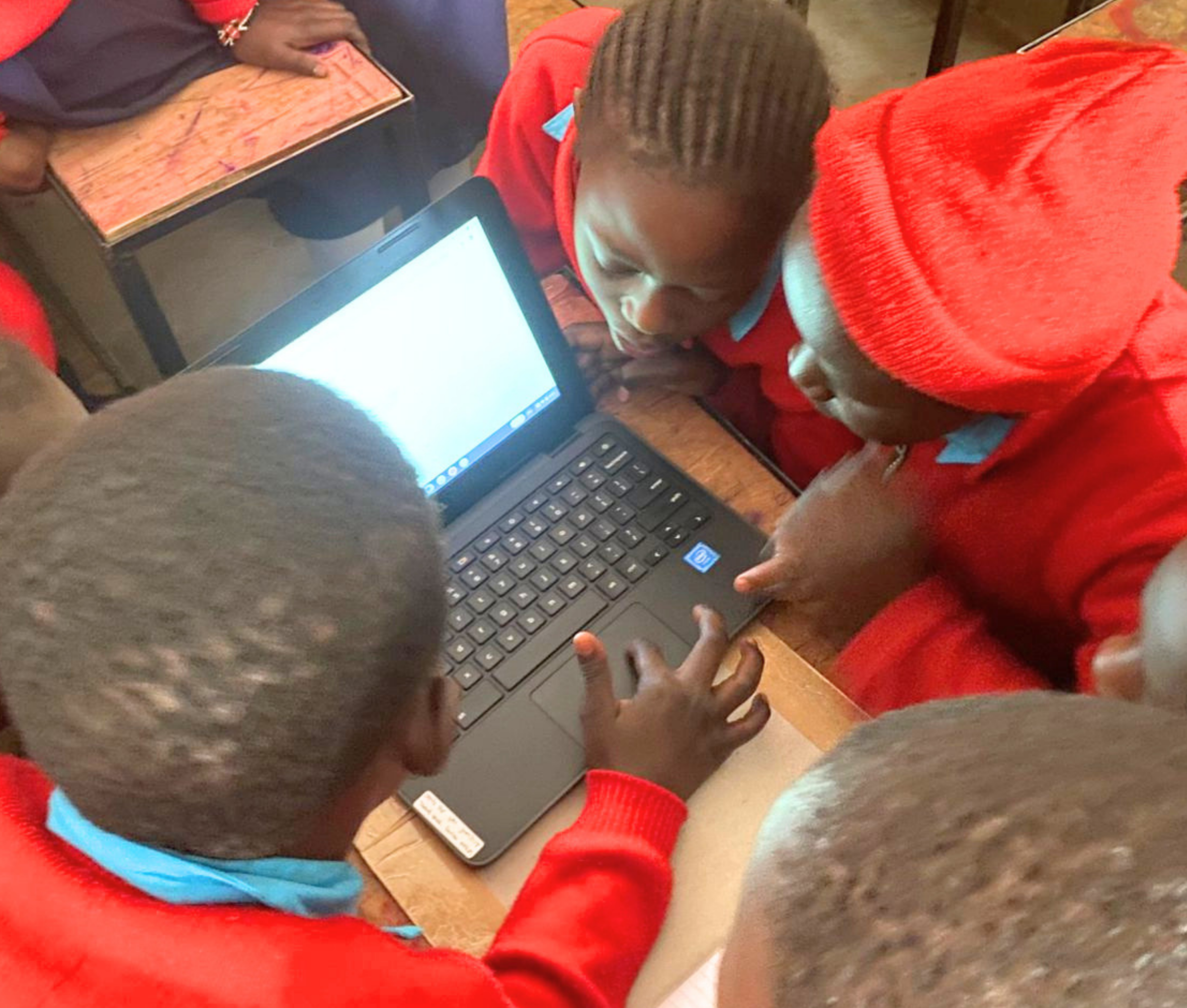
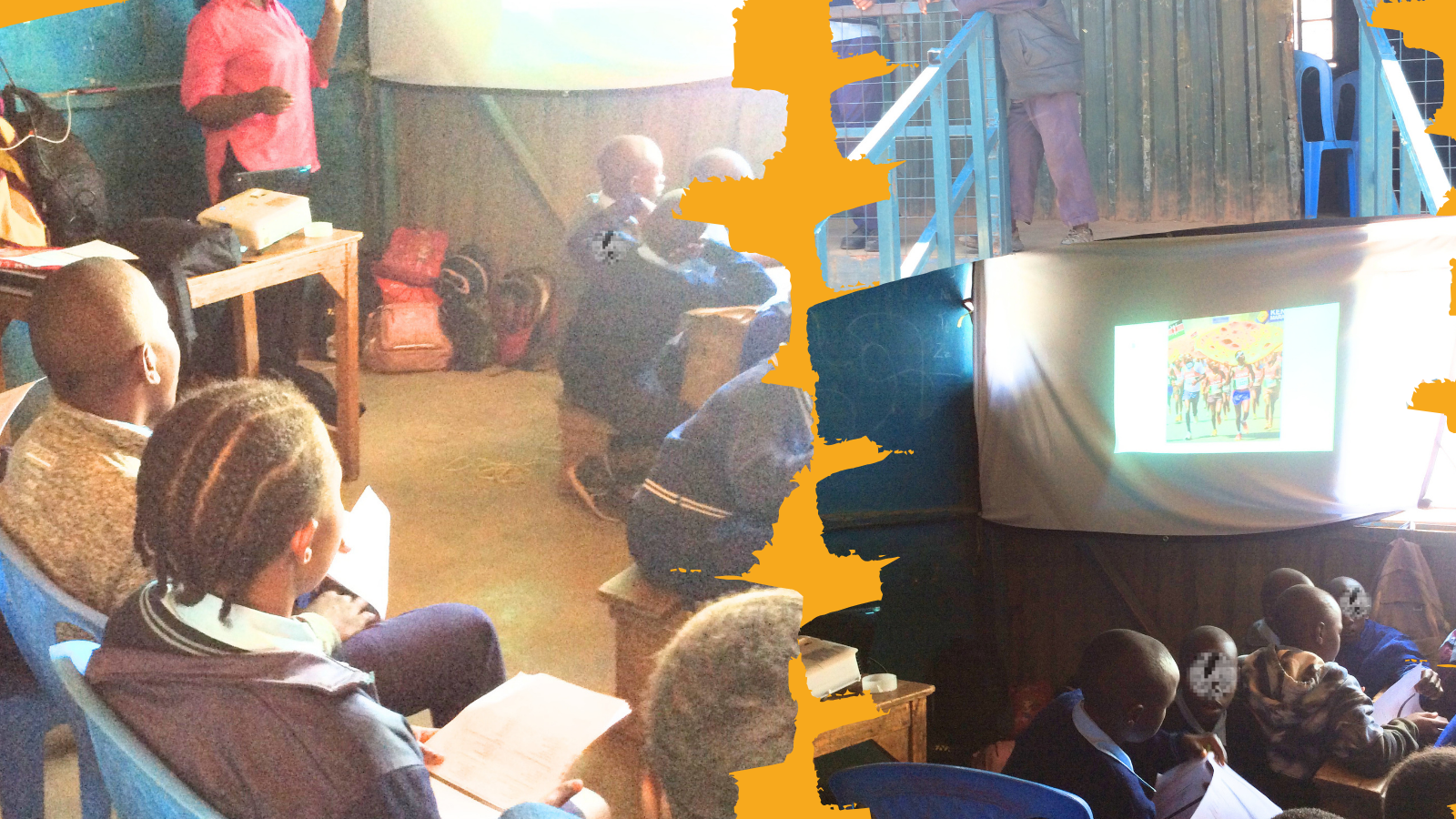
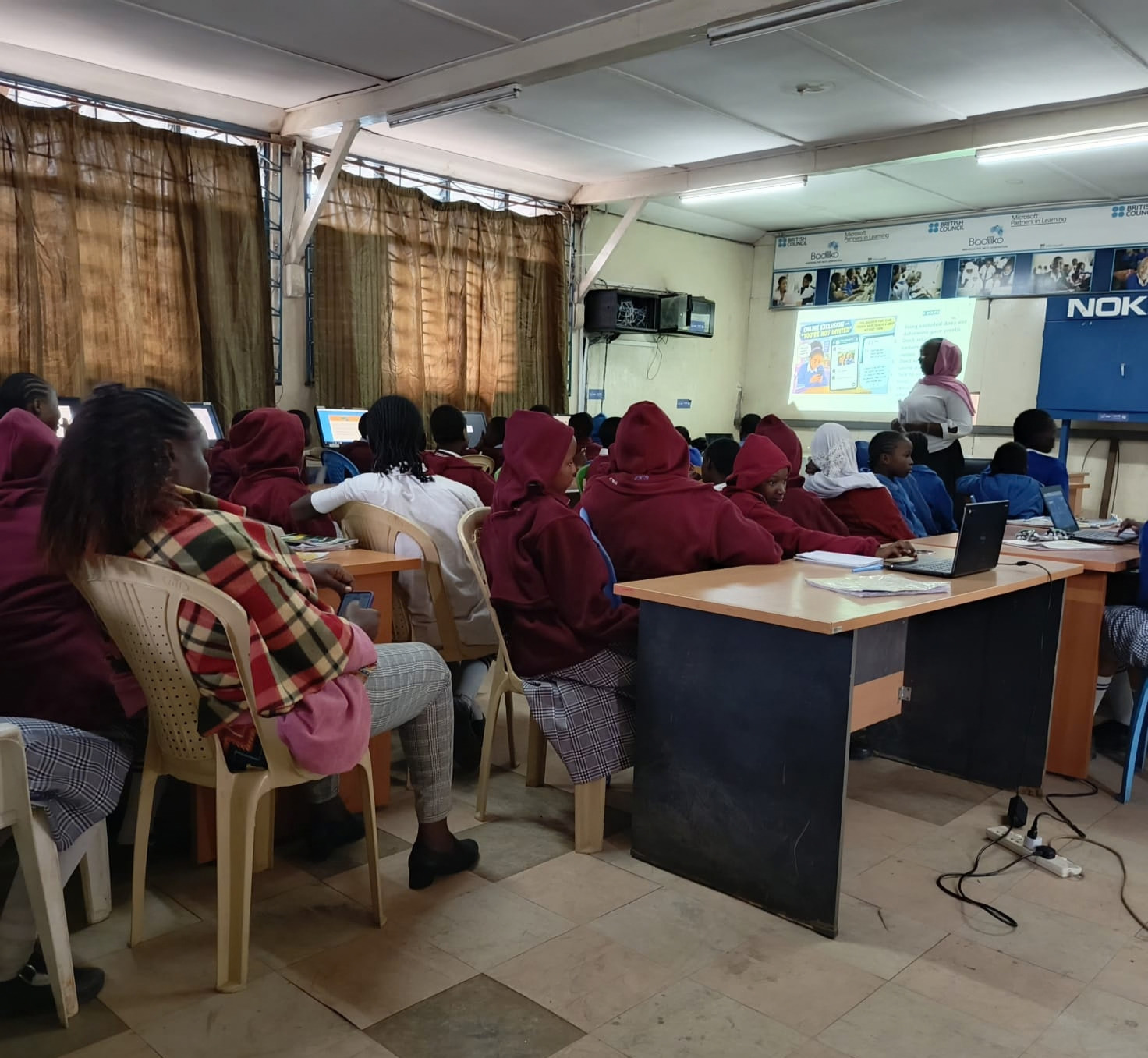
Teachers can help learners develop habits of questioning and verification within everyday classroom activities. A history lesson, for example, can become an opportunity to explore how different sources present the same event. A science lesson can examine how to distinguish evidence from unsupported claims. A discussion about social media can open conversations about algorithms, influence and responsible sharing.
Parents and caregivers also have an important role. Conversations about what children encounter online can be more valuable than simply telling them what websites or platforms they should avoid.
Instead of asking only, “What were you doing online?”, we can also ask:
- “What did you see?”
- “How did it make you feel?”
- “Who do you think created it?”
- “How do you know it’s true?”
These questions help make critical thinking part of everyday digital life.
Digital literacy can no longer mean simply knowing how to operate a device or navigate an application. It must evolve.
Young people need the ability to navigate information.
They need to understand that not everything presented confidently is factual, that popularity does not equal credibility, and that technology can amplify both reliable information and misinformation.
They also need opportunities to create and share information responsibly — because being media and information literate is not only about consuming content. It is also about understanding the responsibility that comes with creating and distributing it.
At Fact Forward, we believe young people deserve the knowledge, confidence and agency to navigate today’s information environment critically and responsibly.
The goal is not to make children afraid of the digital world.
It is to help them understand it.
Because children shouldn’t only be protected online.
They should be empowered online.
Learn more about Fact Forward’s work on media and information literacy and how you can support efforts to equip young people for an increasingly digital world.
Leave a Reply