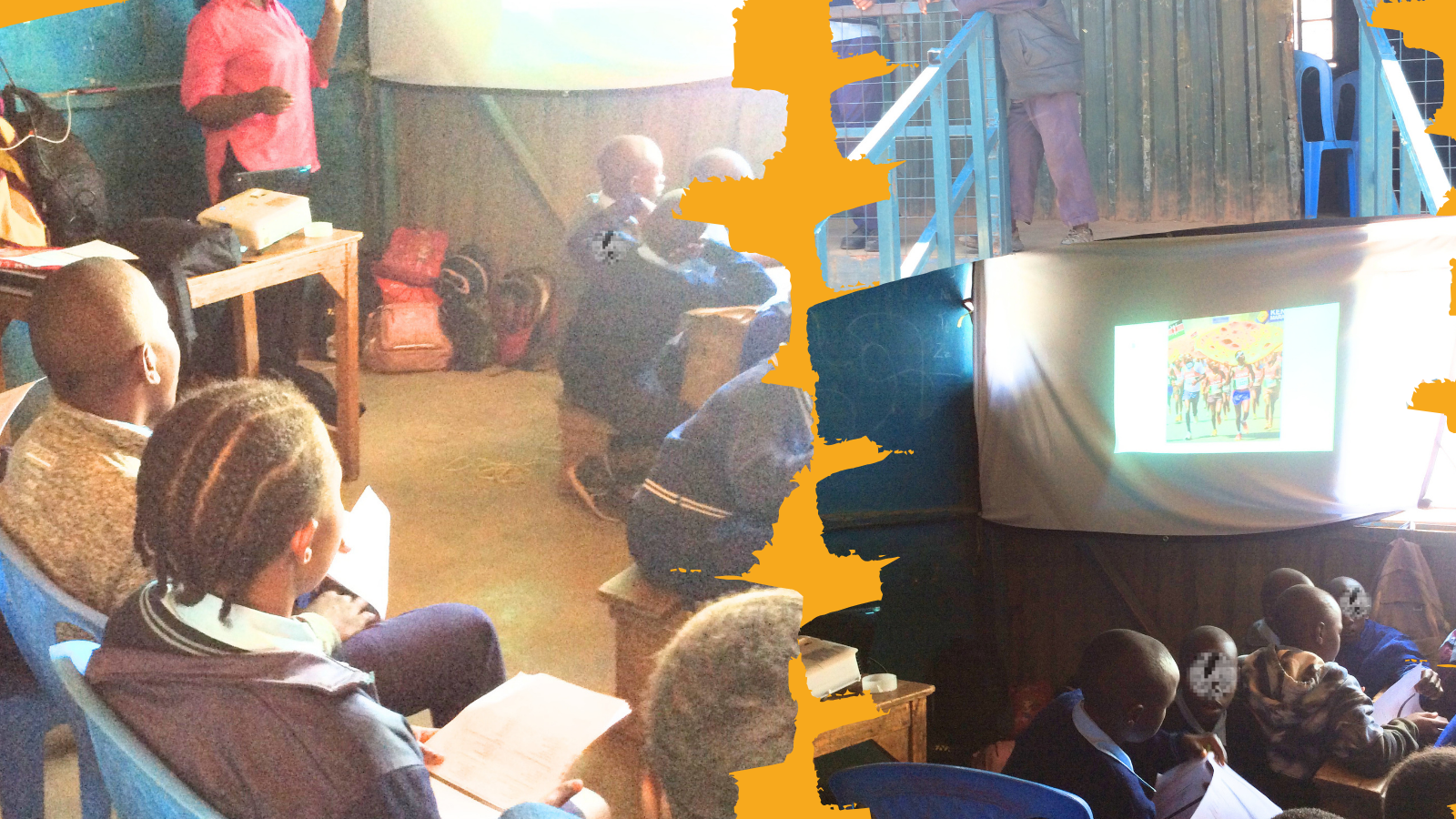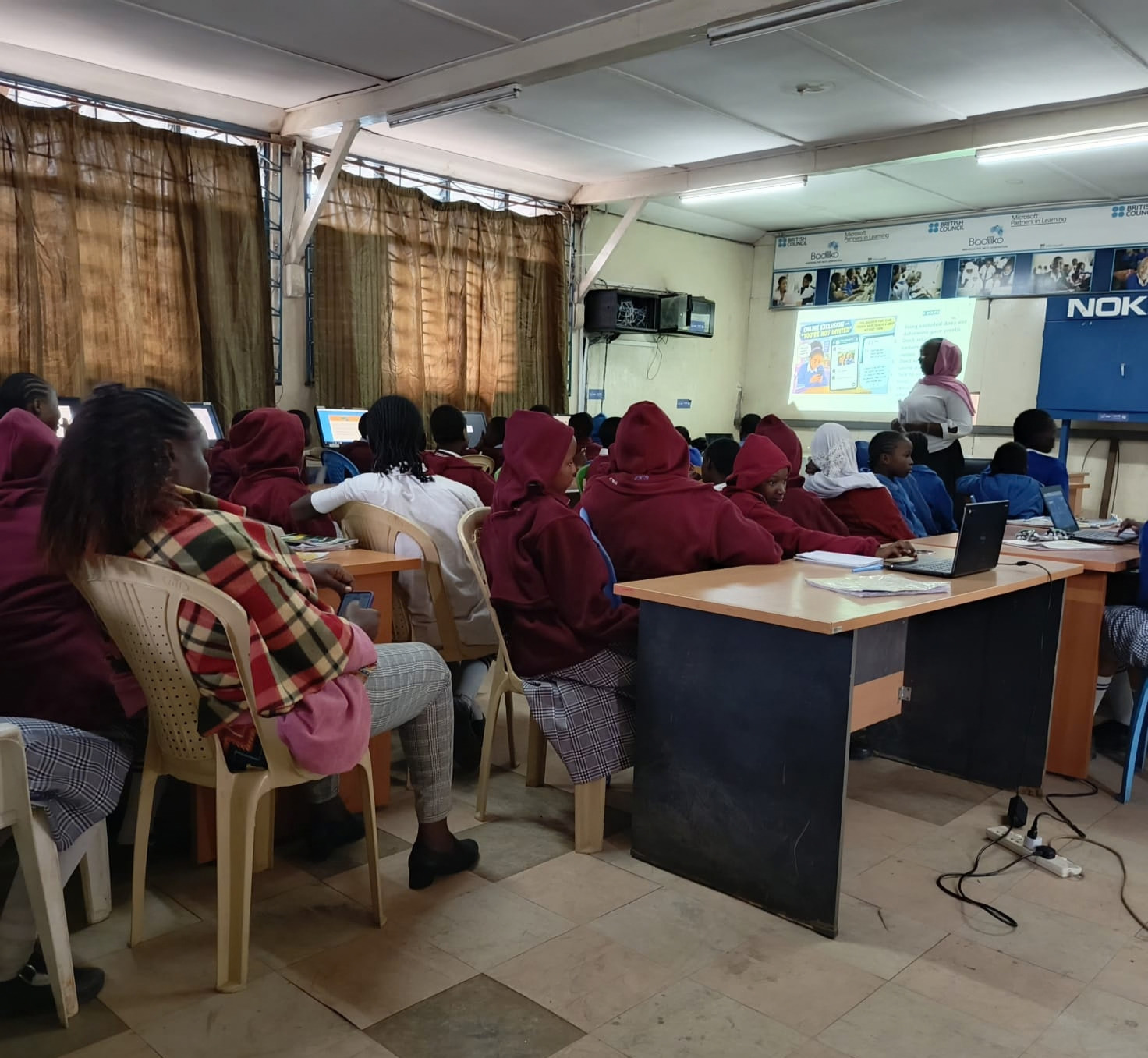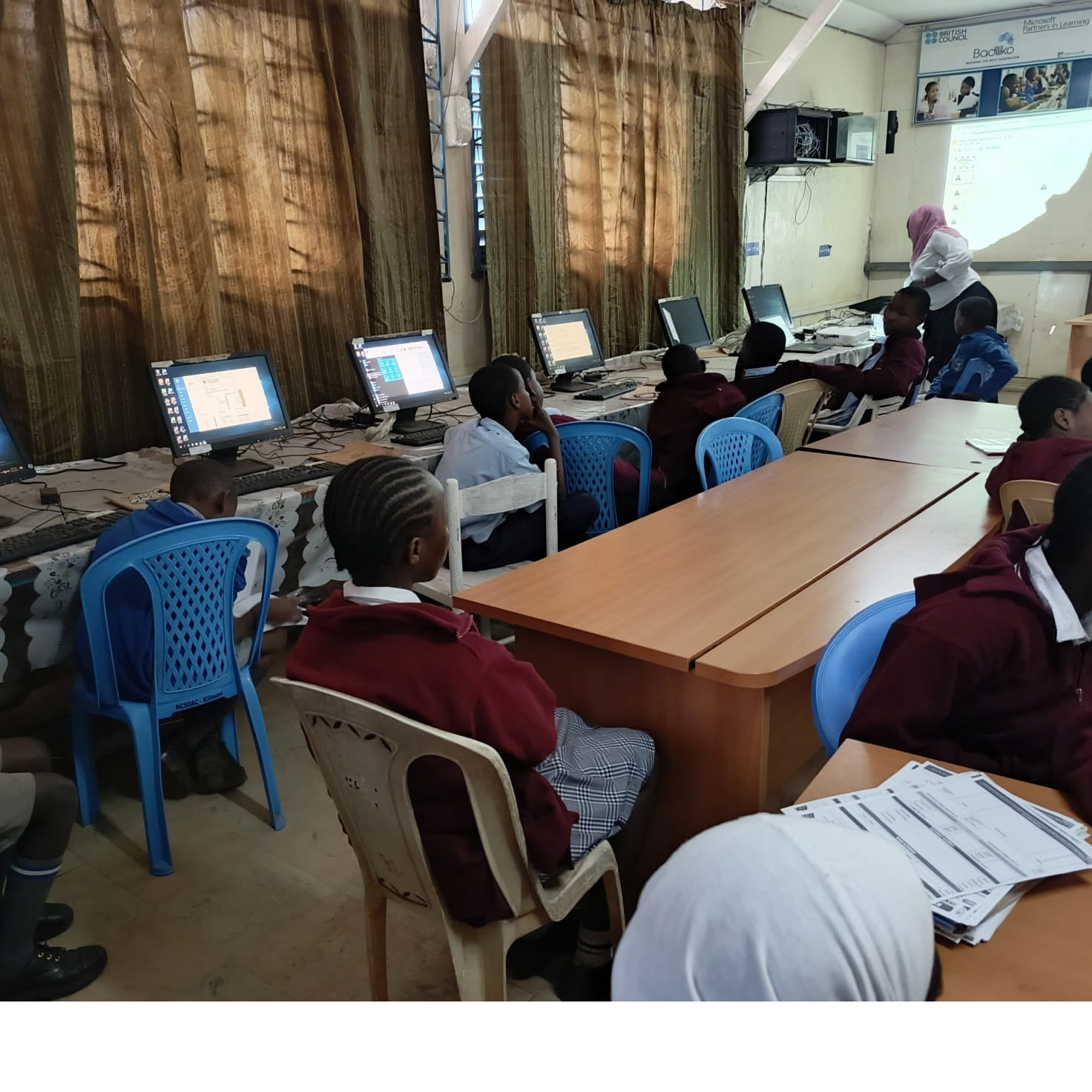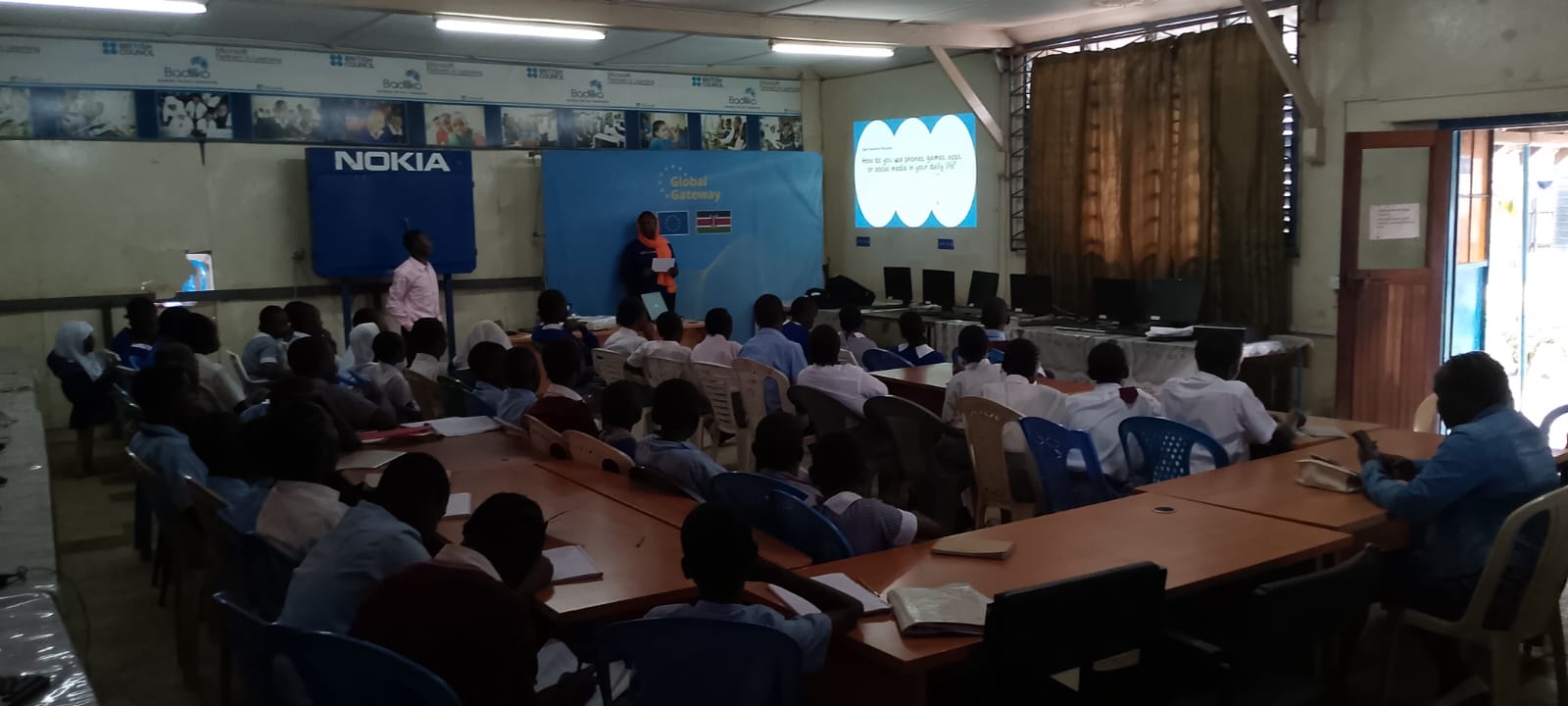
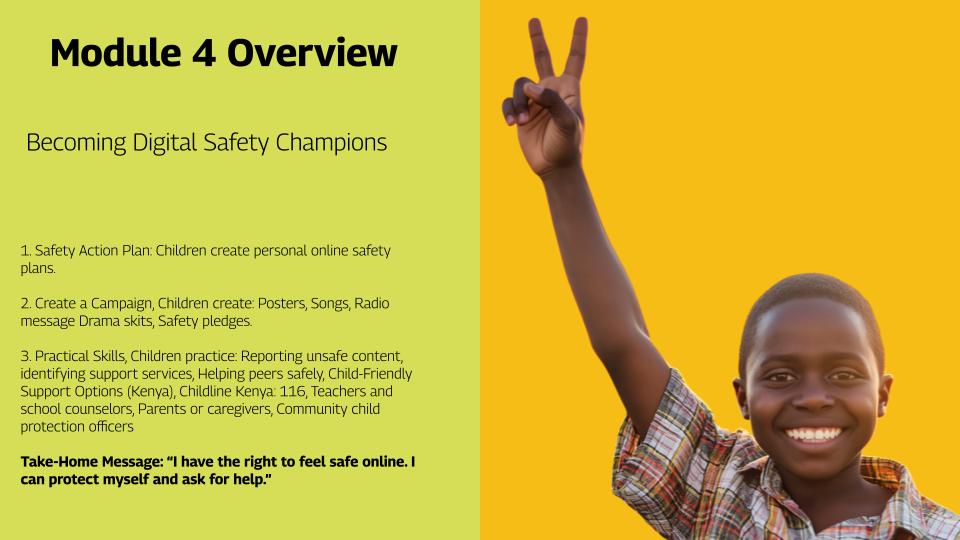
The Fact Forward Digital Foundation’s safety toolkit is an essential resource designed to ensure children’s digital safety, well-being, and responsible participation while enhancing the digital and learning skills of both teachers and students. This toolkit employs a diverse range of engaging learning methods, including interactive workshops, school clubs, peer learning, games, hands-on activities, and storytelling. It consists of four workshop sessions, each lasting approximately 40–50 minutes, and incorporates practical, child-friendly activities that actively promote participation, critical thinking, and meaningful learning experiences.
With a firm commitment to a child-centred and rights-based approach, the toolkit empowers children with essential literacy, online safety skills, critical thinking abilities, and self-protection strategies. Its primary objective is to significantly reduce children’s vulnerability to online sexual exploitation and abuse by equipping them to recognise online risks, make informed decisions, build confidence, seek help when necessary, and support their peers. Ultimately, the toolkit equips children to navigate the digital world safely, responsibly, and with unwavering confidence.
The toolkit uses a variety of child-friendly learning approaches to make lessons engaging, practical, and memorable:

Use relatable stories and examples to help children understand online risks, build empathy, and remember important digital safety lessons.
Encourage active participation through discussions, demonstrations, role plays, and group activities rather than passive listening.
Allow children to apply what they have learned through practical exercises, real-life scenarios, and guided problem-solving.
Provide a safe and supportive space where children can continue learning, practice digital safety skills, and lead awareness activities beyond the classroom.
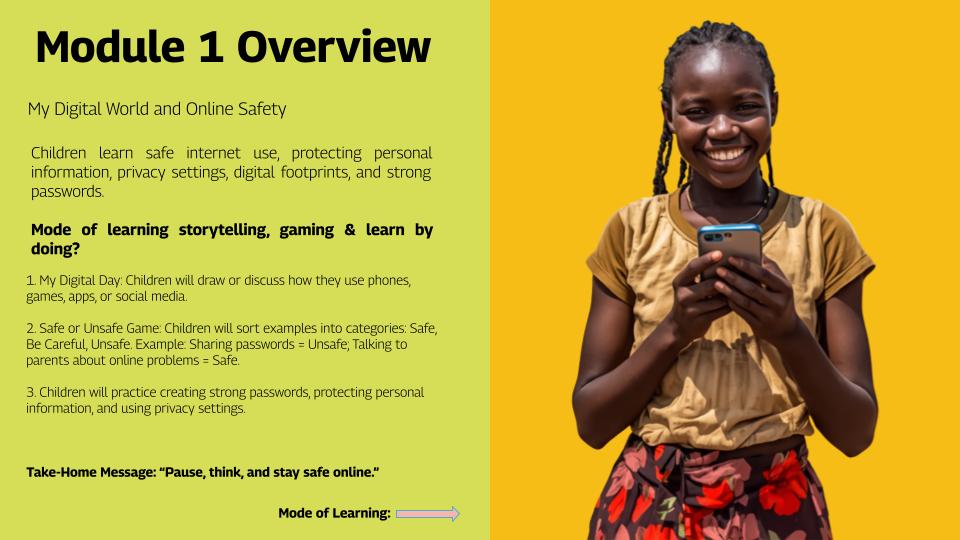
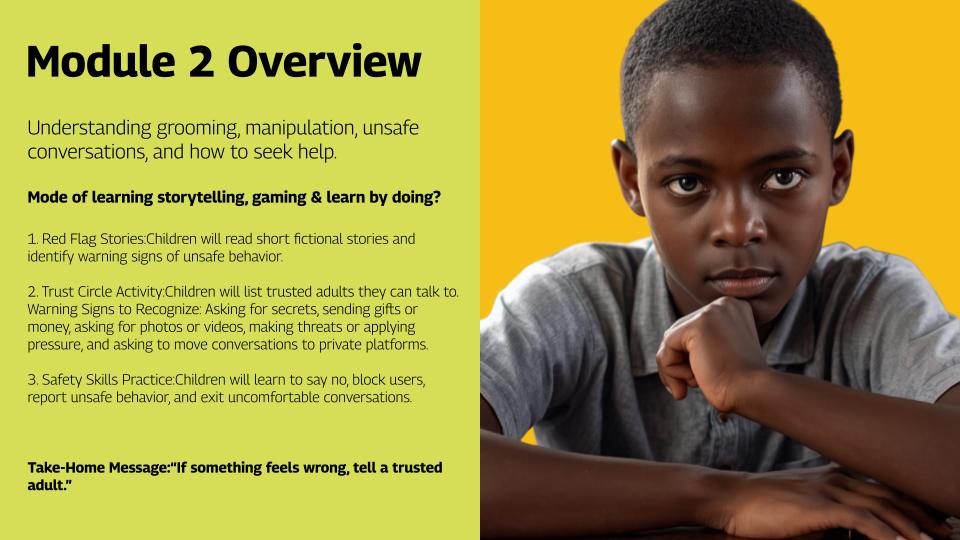
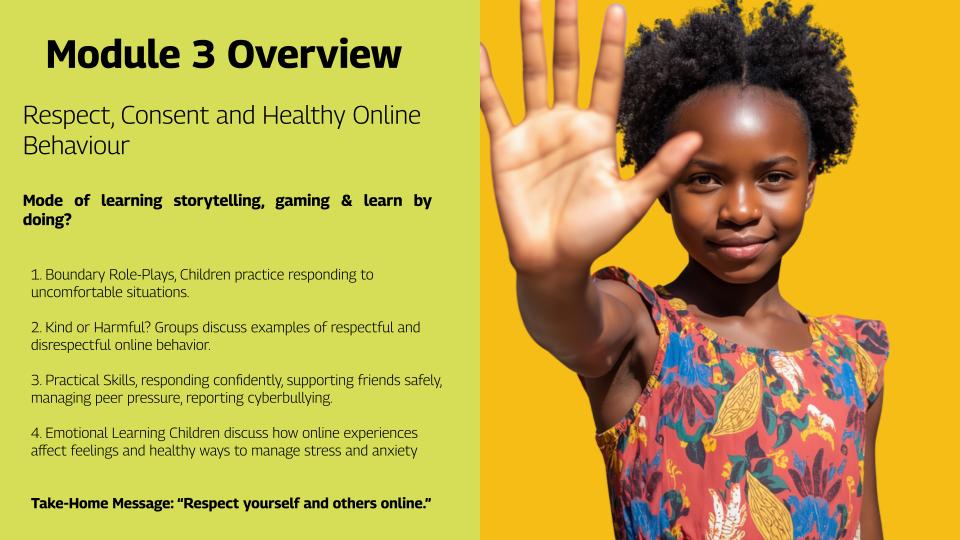
The toolkit is currently being implemented through the Out of Shadows Project, with support from The BRAVE Movement Kenya. The first phase of implementation began with a Training of Trainers (ToT), equipping educators and facilitators with the knowledge and practical skills needed to effectively deliver the toolkit in schools and communities.