
I recently came across a statement that made me stop and think:
“If they put laws against abortion and not laws against paedophiles, then it was really never about the children.”
Beyond the debate surrounding the statement itself, it raised a question that stayed with me: How much of the change, development and policy we create is actually done with children in mind—and how much is created with children themselves?
There is an important difference between doing something for children and doing something with them.
Around the world, adults make decisions about children’s education, safety, health, technology and futures. We design programmes for them, develop policies to protect them and create systems intended to improve their lives. These interventions are important. But somewhere along the way, we can forget to ask one fundamental question:
What do children themselves think?
The principle of “nothing about us without us” reminds us that people affected by decisions should have a meaningful voice in shaping those decisions. Children may not always have the authority to make every decision that affects them, but that does not mean their experiences, questions and perspectives should be left out of the conversation.
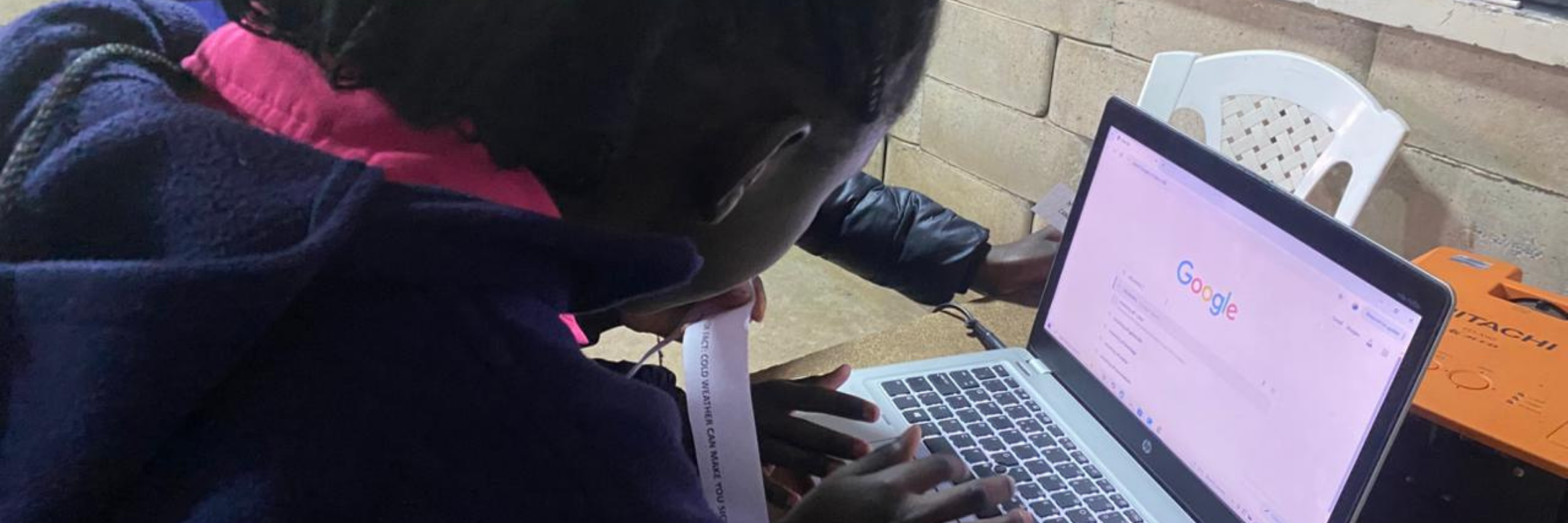
This becomes even more important when we consider the world children are growing up in today. Children Are Growing Up Online. For today’s children, the internet is not a separate space that they occasionally enter. It is increasingly woven into everyday life.
- They learn online.
- They communicate online.
- They play online.
- They discover information online.
- They form opinions online.
- And, increasingly, they build parts of their identity online.
The digital world is therefore not simply something we should teach children to use. It is an environment in which they are growing up. Yet, we often approach children’s relationship with technology from a position of restriction: What should we stop them from seeing? What should we prevent them from accessing? How do we keep them away from danger?
Protection matters. Safeguarding matters. But protection alone is not enough.
Children also need the knowledge and confidence to understand the environment they are entering.
They need to know that not everything they see online is true. They need to recognise misinformation and manipulation. They need to understand privacy and digital footprints. They need to know how to respond when something makes them uncomfortable. They need to recognise scams, harmful content and unsafe interactions. And they need to know when and how to ask for help.
Most importantly, they need opportunities to ask questions and express what navigating this environment actually feels like for them. We need to shift From Protecting Children to Preparing Children. There is a temptation to think that keeping children safe online means keeping them away from the internet.
But the digital world is not disappearing.
The better question may therefore be:
How do we help children grow with the internet?
Growing with the internet does not mean allowing children unrestricted access. It means recognising that digital participation is becoming part of childhood and ensuring that children have the skills to participate safely, critically and confidently.
Just as we teach children how to cross a road rather than simply telling them never to leave the house, we need to equip them with the skills to navigate digital spaces rather than assuming that avoidance alone will keep them safe.
This requires a shift from simply giving children rules to giving them understanding.
Children Should Be Part of the Change
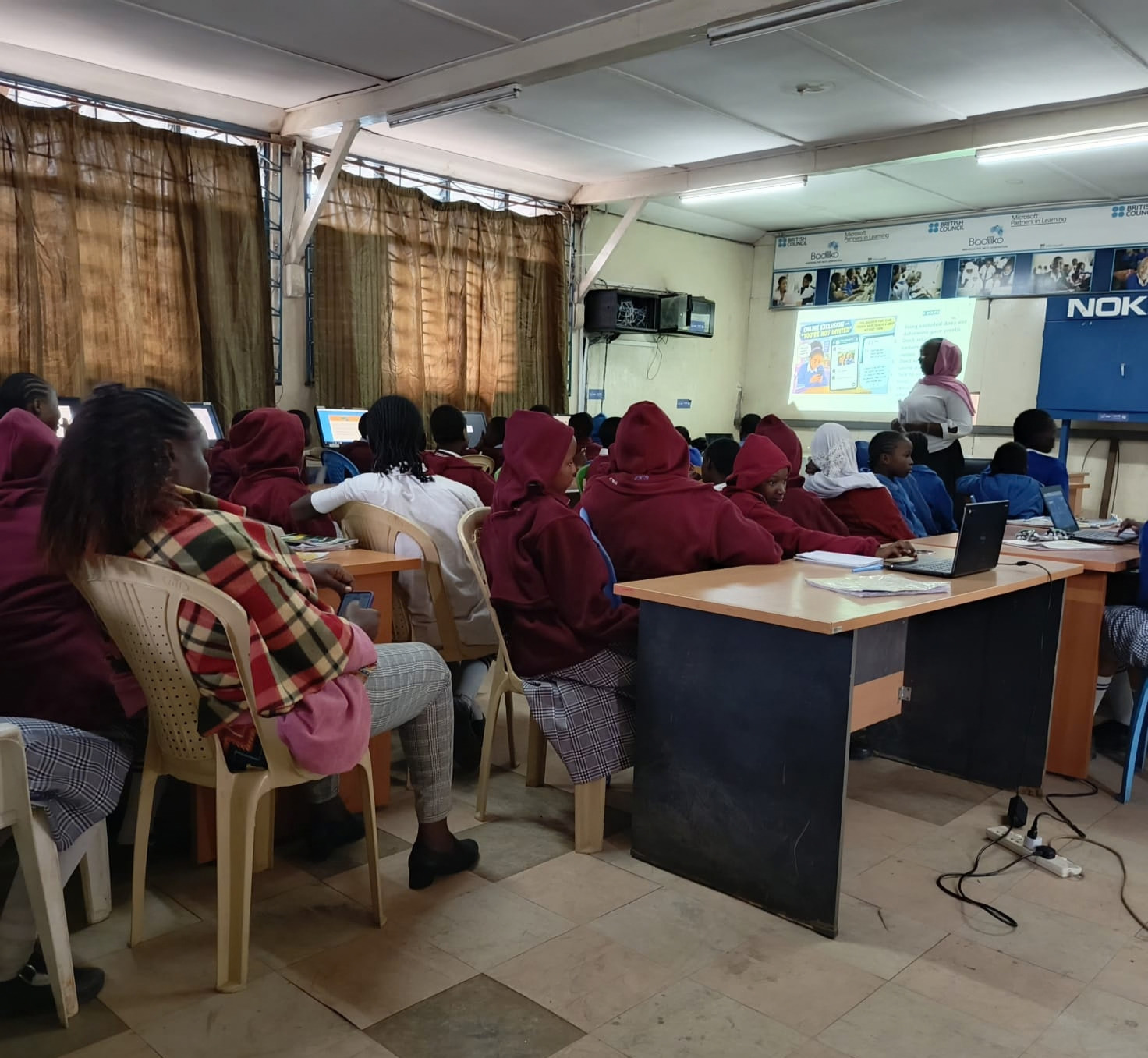
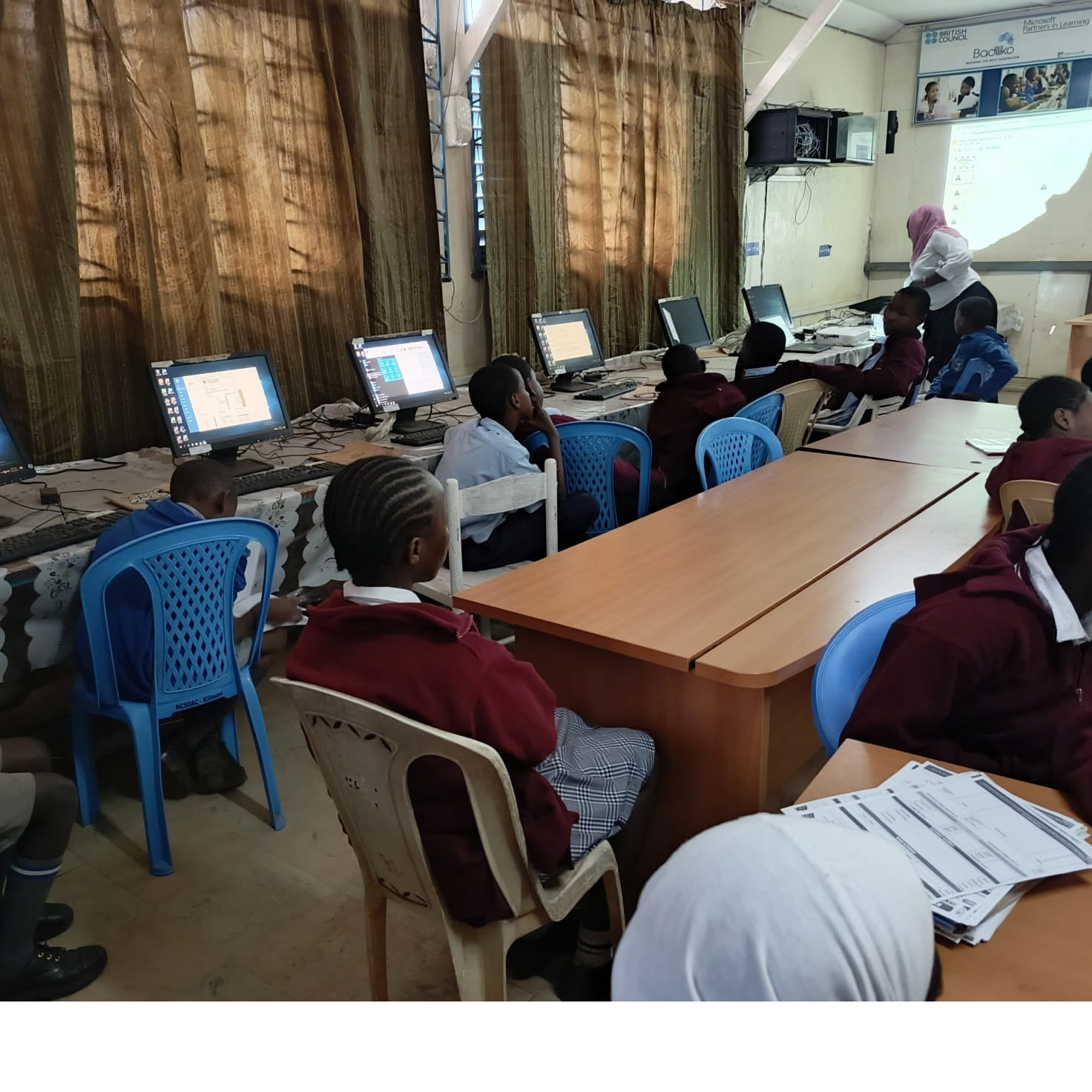
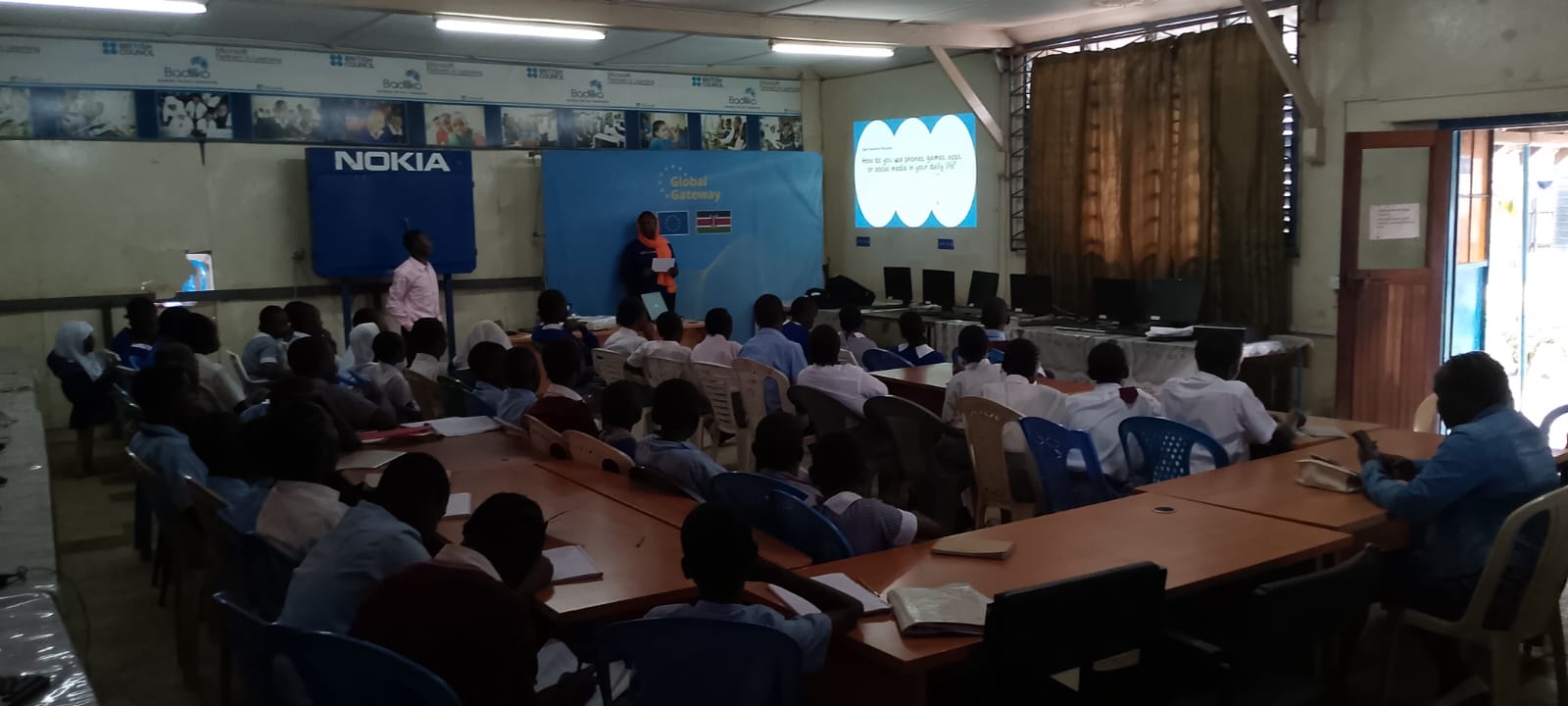
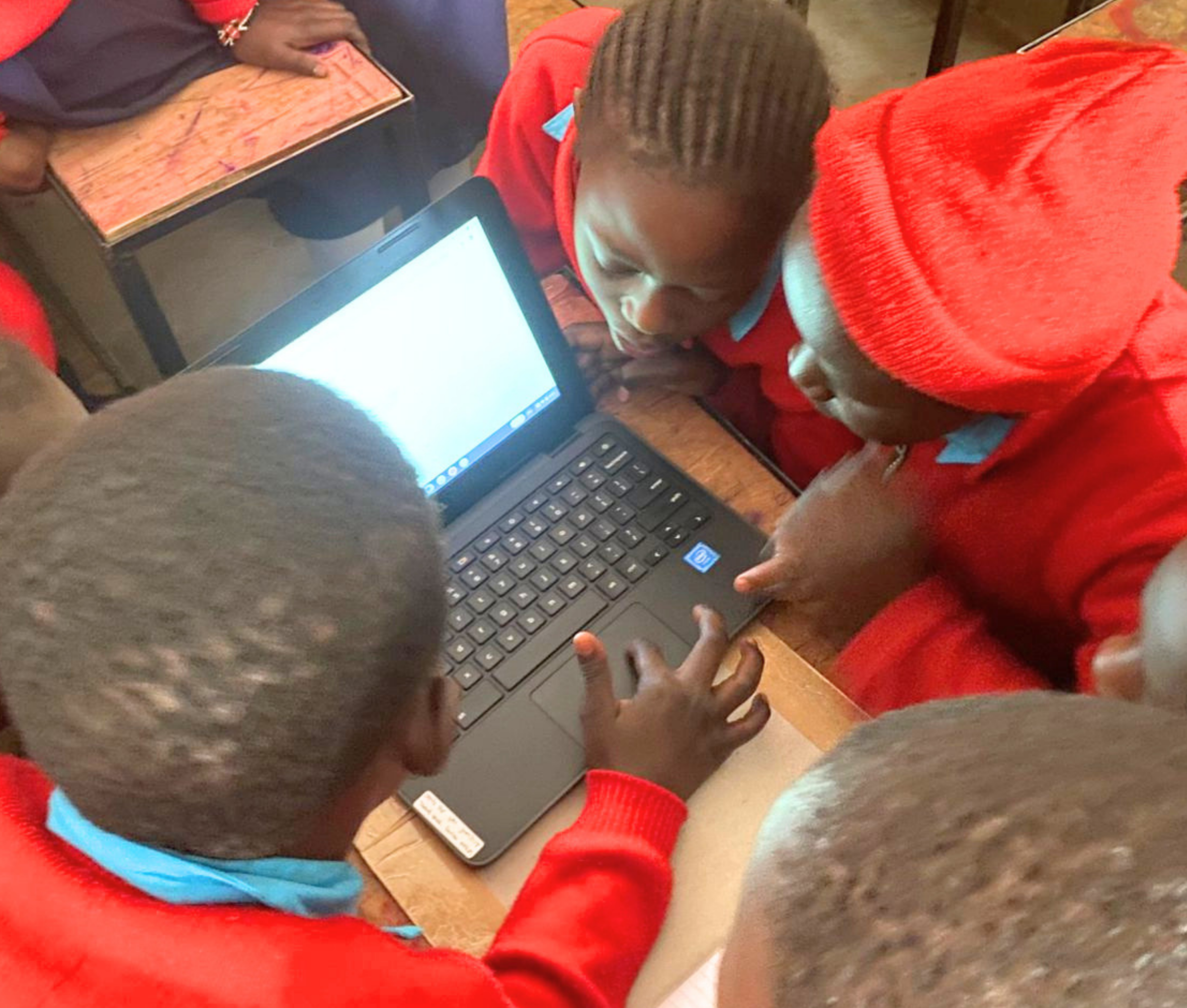
At Fact Forward Digital Foundation, we believe children should not only be recipients of digital literacy programmes. They should be part of the change we are trying to create.
That means creating learning spaces where children can ask questions, share experiences, challenge assumptions and explore the realities of the digital world in ways that are appropriate for their age.
Through media and digital literacy education, we want children to develop more than technical skills. We want them to develop the confidence to pause before they share, question before they believe, verify before they trust and seek help when something does not feel right.
Because digital literacy is not simply about knowing which button to press.
It is about knowing what to do with the information, opportunities and risks that come with being connected.
And children have an important perspective to contribute to that conversation.
They know what platforms they use. They know the language of their online spaces. They know the pressures they encounter and the questions they wrestle with. When we listen to them, we gain a better understanding of the digital environments we are asking them to navigate.
It is clear that the Future Cannot Be Built Without Children. As much as these children are often described as the leaders of tomorrow, it’s important to note that they are also participants today.
The decisions we make about technology, education, media and online safety are already shaping their childhoods. We cannot wait until they become adults to give them a voice in conversations that affect them now.
If we want a safer and more informed digital generation, we must move beyond designing for children and begin designing with them.
We must listen to them.
We must learn from their experiences.
We must give them the knowledge to understand the digital world around them.
And we must create spaces where they can participate in shaping the future they will inherit.
At Fact Forward Digital Foundation, this is the change we want to contribute to: a generation of children who do not simply grow up with technology, but grow with the knowledge, critical thinking and confidence to navigate it.
Because access is only the beginning.
The future of the digital world should not simply be something we build for children. It should be something we build with them.
Leave a Reply