

Preparing Young People for an AI-Shaped World
Artificial intelligence is often described as a technology that will shape the future. For today’s children and young people, however, that future is already here.
AI is increasingly part of the digital environments they encounter every day. It influences the content recommended on social media, the results they receive when they search online, the videos they watch, the games they play and the educational tools they use. Generative AI can now write stories, create images, answer questions, translate languages and help produce videos and other forms of content.
Sometimes young people know they are interacting with AI. Sometimes they do not.
This changing environment presents an important question for parents, educators and organisations working with children:
Are we preparing young people to understand the technologies shaping their lives, or are we simply giving them access to them?
When AI literacy is discussed, the focus can easily fall on practical skills: how to use an AI chatbot, write an effective prompt or generate content.
These are useful skills, but they are only part of the picture.
AI literacy is also about understanding what happens behind the screen. Young people need to develop an awareness of what AI can and cannot do, how its outputs are produced, why its answers may sometimes be wrong and how technology can influence the information they encounter.
An AI-literate young person should be able to approach technology with both curiosity and caution.
They should understand that an AI-generated response is not automatically a reliable one simply because it is delivered confidently. They should know when to check information against other sources, recognise when a tool may be making an assumption and understand that human judgement remains important.
In this sense, AI literacy builds on the foundations of Media and Information Literacy. It extends the ability to evaluate information into an environment where some of that information may be generated, selected or personalised by artificial intelligence.
One of the most important things young people need to understand is that the digital world they experience is not necessarily the same digital world experienced by someone else.
Digital platforms collect signals from our online behaviour — what we watch, search for, click on, like and share. These signals can be used to personalise what appears in our feeds and recommendations.
AI can make this personalisation increasingly sophisticated.
Over time, a young person may find themselves repeatedly encountering content that reflects their existing interests, preferences or beliefs. The more they engage with certain content, the more similar content may be recommended.
This can create what we might call an AI bubble: an information environment shaped by algorithms and artificial intelligence that can make a particular set of ideas, opinions or experiences appear more common or universally accepted than they actually are.
The danger is not simply that young people may see content they like. It is that they may become less aware of what they are not seeing.
A personalised feed can feel like a window into the world, when it may actually be a carefully selected view of it.
Understanding this requires a different kind of digital awareness. Young people need to be encouraged to ask:
Why am I being shown this?
What might I be missing?
Is this information popular because it is reliable, or because it keeps people engaged?
Have I encountered another perspective?
Can I verify this outside my feed?
Learning to recognise the bubble is an important part of learning to navigate the information environment.
A personalised digital experience is exactly that — personalised, not necessarily objective.
Generative AI has introduced another challenge into the information environment: the ability to produce convincing content at speed and scale.
Text, photographs, voices and videos can increasingly be generated or altered using AI. This has enormous potential for creativity and learning, but it also creates new challenges for determining what is authentic.
For young people, this means that traditional questions about information become even more important.
Who created this?
Where did it come from?
Is there evidence behind it?
Can it be verified?
Could it have been manipulated or generated?
What is the purpose of the content?
The answer will not always be obvious.
That is why AI literacy cannot be separated from information literacy. Young people need the confidence to pause before accepting or sharing content, particularly when it is designed to provoke a strong emotional reaction.
The goal is not to make children suspicious of everything they encounter.
It is to help them develop the habit of verification before acceptance and reflection before sharing.
Understanding AI also means understanding the information we give to AI systems.
A child experimenting with an AI tool may not think twice about entering their name, school, location, photographs, personal experiences or other details. They may not realise that seemingly harmless information can have privacy implications.
Young people therefore need age-appropriate guidance on what information is appropriate to share with digital tools and what should remain private.
They also need to understand the potential for AI to be misused.
AI-generated content can be used to deceive, impersonate people, manipulate images or create harmful material. These risks make it increasingly important for children to understand not only how technology works, but also how their choices can affect themselves and others.
Digital safety in an AI-shaped world therefore requires more than restricting access.
It requires understanding, judgement and responsible use.
There is a temptation to approach every emerging technology primarily through its risks.
But children also need to understand the opportunities AI presents.
AI can support learning, creativity, accessibility, research and problem-solving. It can help young people explore ideas, experiment with different forms of expression and access information in new ways.
The objective should therefore not be to keep children away from AI.
Nor should it be to encourage them to accept everything AI produces.
Instead, we should help them develop the judgement to understand when AI can be useful, when it needs to be questioned and when human expertise and decision-making must take precedence.
A child who knows how to use an AI tool has acquired a technical skill.
A child who understands its limitations, considers its implications and knows when to challenge its output has developed something much more valuable: agency.
AI literacy should not be left entirely to children and their families to navigate on their own.
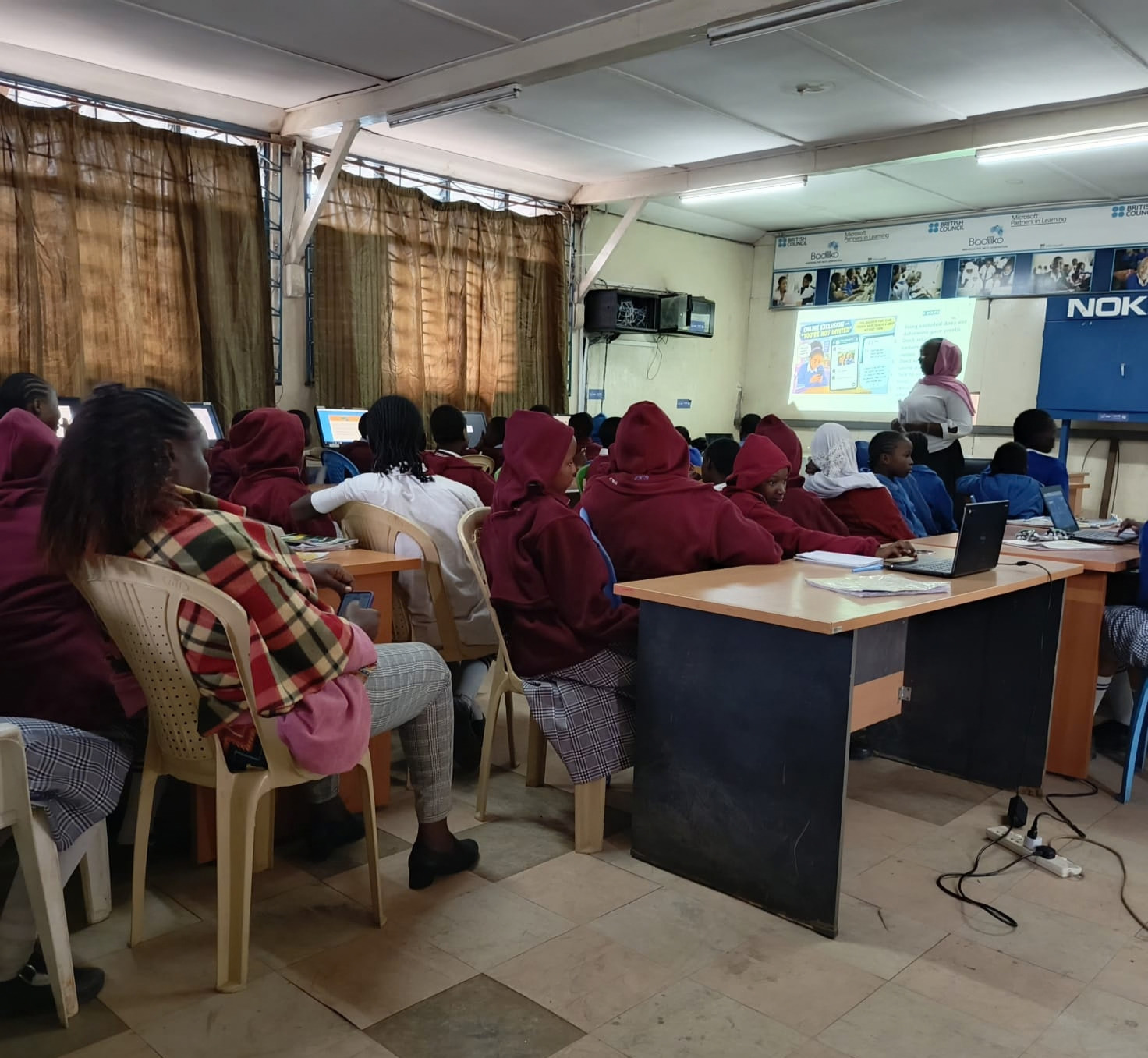
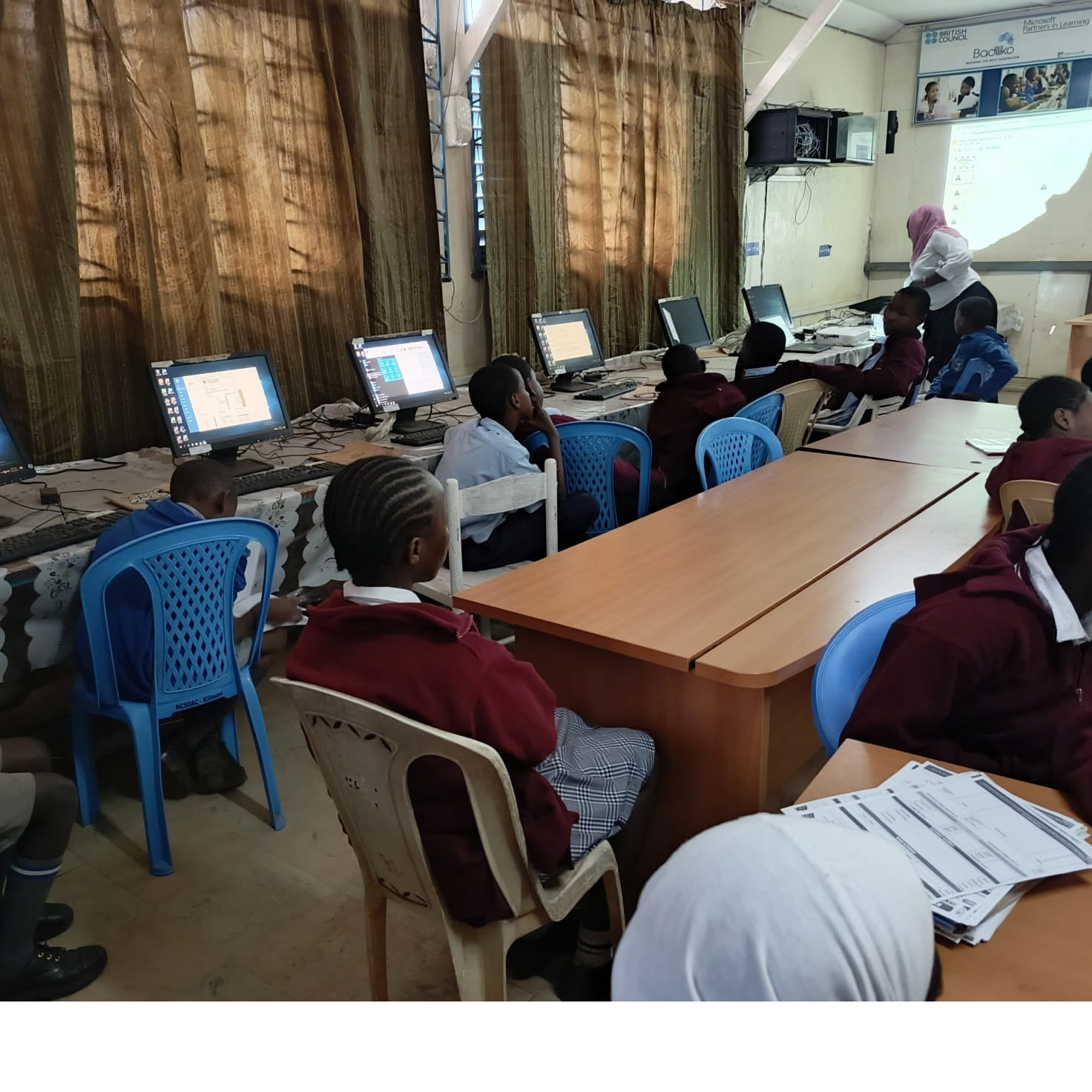
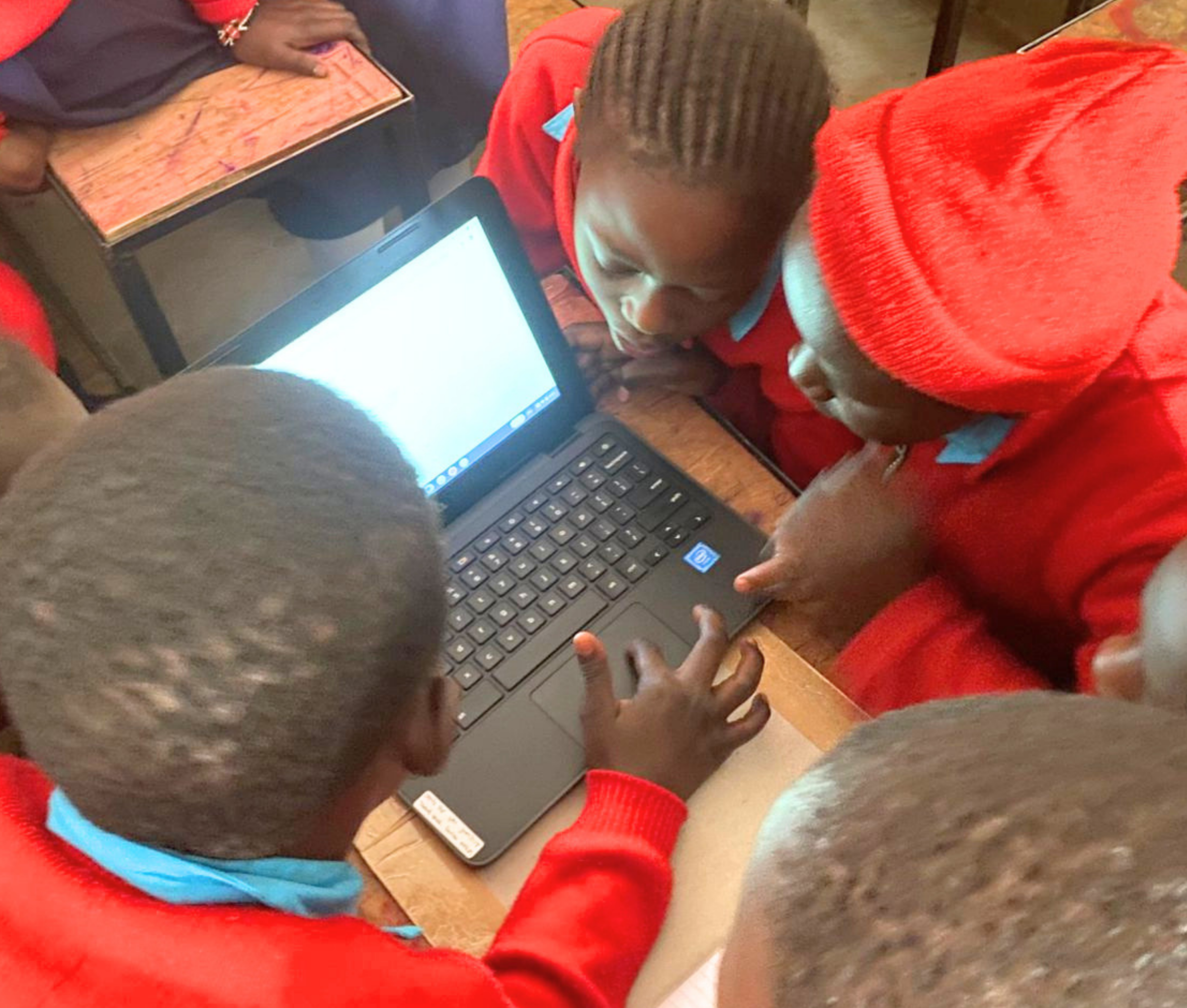
Schools can provide structured spaces where young people learn about the opportunities and challenges of AI alongside the critical-thinking skills they are already developing.
AI does not necessarily need to become another isolated subject.
It can be incorporated into existing learning.
A history class can explore how AI-generated images can alter perceptions of historical events. A science lesson can examine why evidence matters when evaluating an AI-generated answer. A language class can discuss how AI produces and modifies text. Digital citizenship lessons can explore algorithms, privacy, bias and responsible use.
These conversations can help young people understand that technology is not neutral or invisible. It is designed by people, operates within systems and can influence the choices and information presented to us.
Schools therefore have an opportunity to prepare learners not simply to operate technology, but to understand their relationship with it.
There is one more question that needs to be part of this conversation: Where are children’s voices?
Young people are often positioned as people who need protection from new technologies. Their safety is important, but they are also active participants in the digital world.
They use these technologies. They experience their benefits and limitations. They encounter problems adults may not see, and they will ultimately live with the consequences of decisions being made about AI today.
Preparing children for an AI-shaped world should therefore include listening to them.
What are they already encountering?
What do they understand about AI?
What concerns them?
What opportunities do they see?
What kind of digital future do they want?
Children should not simply be recipients of rules about technology. They should have opportunities to develop the knowledge and confidence to participate in conversations about the technologies shaping their lives.
The question is no longer whether children will encounter artificial intelligence.
They already are.
The more important question is whether they will have the knowledge and critical skills to understand it, question it, use it responsibly and recognise how it can shape the information around them.
AI literacy is therefore not simply about learning a new technology. It is about preparing young people to participate confidently and responsibly in an increasingly AI-mediated world.
At Fact Forward, we believe that young people should have more than access to digital technologies. They should have the knowledge, critical thinking skills and agency to navigate them.
We should not prepare children for AI by teaching them to fear it.
We should prepare them to understand it.
Because the future is not simply something that AI will shape.
It is a future that today’s young people will help shape too.

Leave a Reply