
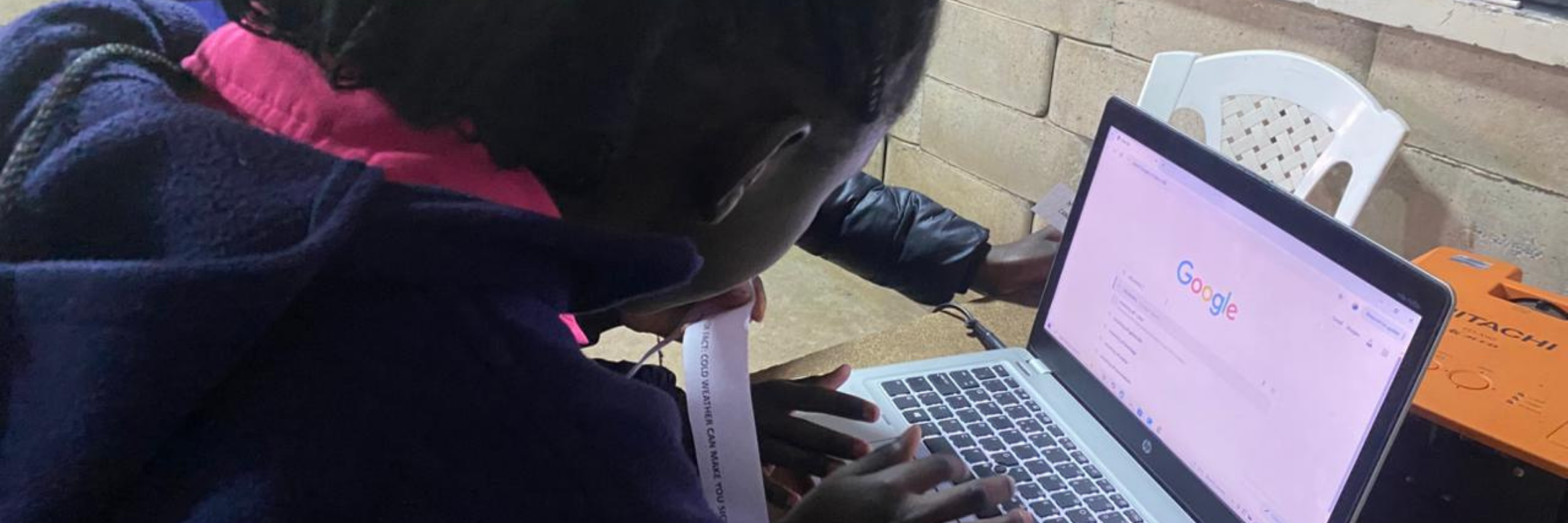
For many children, the internet is a place to learn, play and explore. They may watch videos, use learning apps, search for answers or communicate with others. These experiences can support their growth—but children also need guidance to recognise risks and know what to do when something online makes them uncomfortable.
That is why digital rights and online safety matter to children’s learning and development. Every child should be able to benefit from digital spaces while being treated with dignity, having their privacy respected and knowing where to seek help.
Children are still learning how to judge what they see and experience online. They may come across frightening content, misleading information, unkind messages or requests for personal details. A child who feels confused or threatened may stop asking questions or using digital tools, even when those tools could support their education.
Adults can help by creating an environment where children feel safe to speak up. Parents, teachers and caregivers can encourage children to tell a trusted adult when something online worries them, without fear of being blamed or punished.
Simple conversations can make a difference: “Does this seem safe?” “How do you know?” “Who could help if you felt uncomfortable?” These questions help children practise making choices and asking for support.
Keeping children safe online should also respect their rights. Children need age-appropriate access to information and opportunities to learn, express themselves and take part. They also need protection from harm and respect for their privacy.
Safety is not only about telling children what not to do. It is also about helping them understand their rights, build good judgement and find trusted sources of help. Schools and families can work together to teach practical habits, such as keeping personal details private, checking before sharing content and speaking to a trusted adult when something feels wrong.
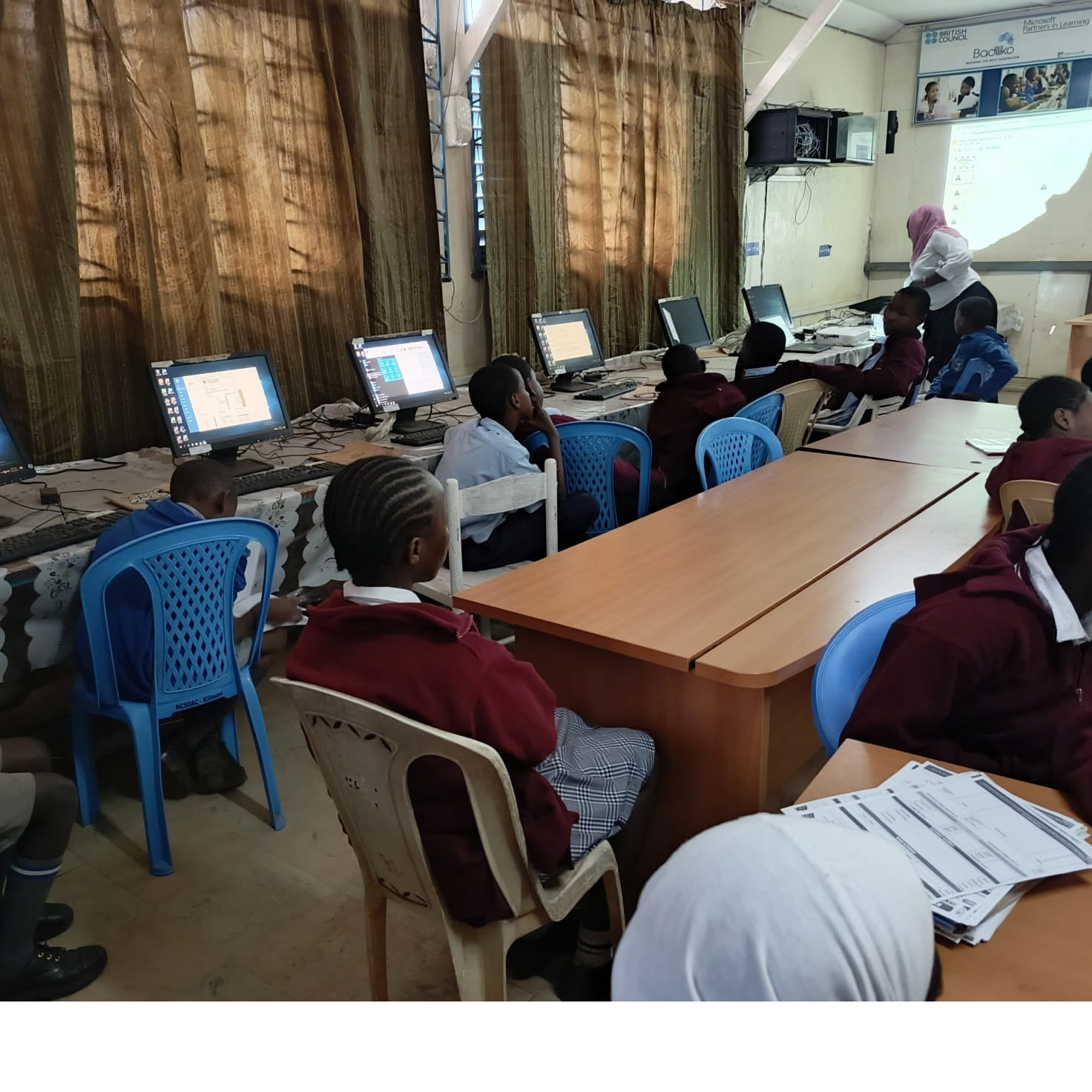
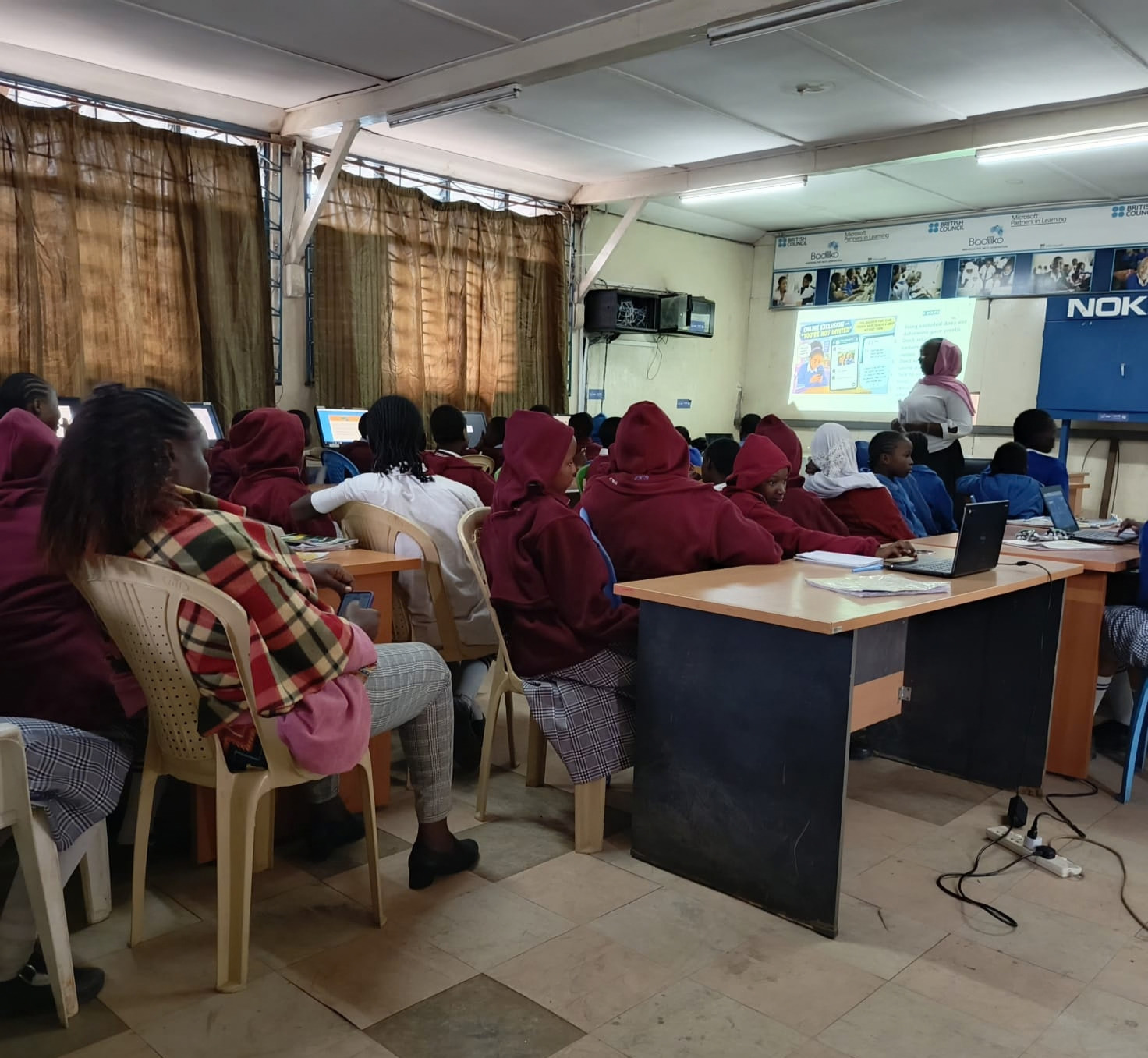
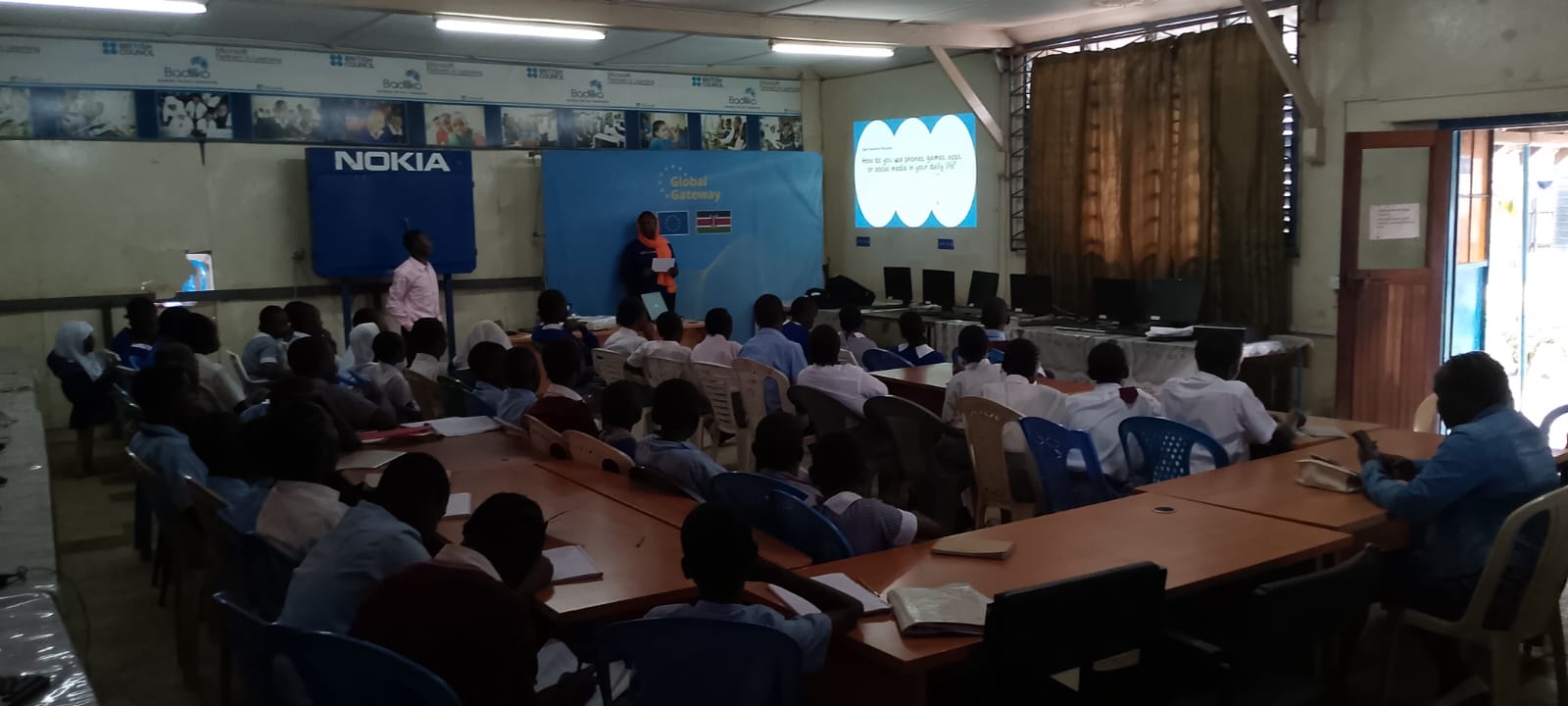
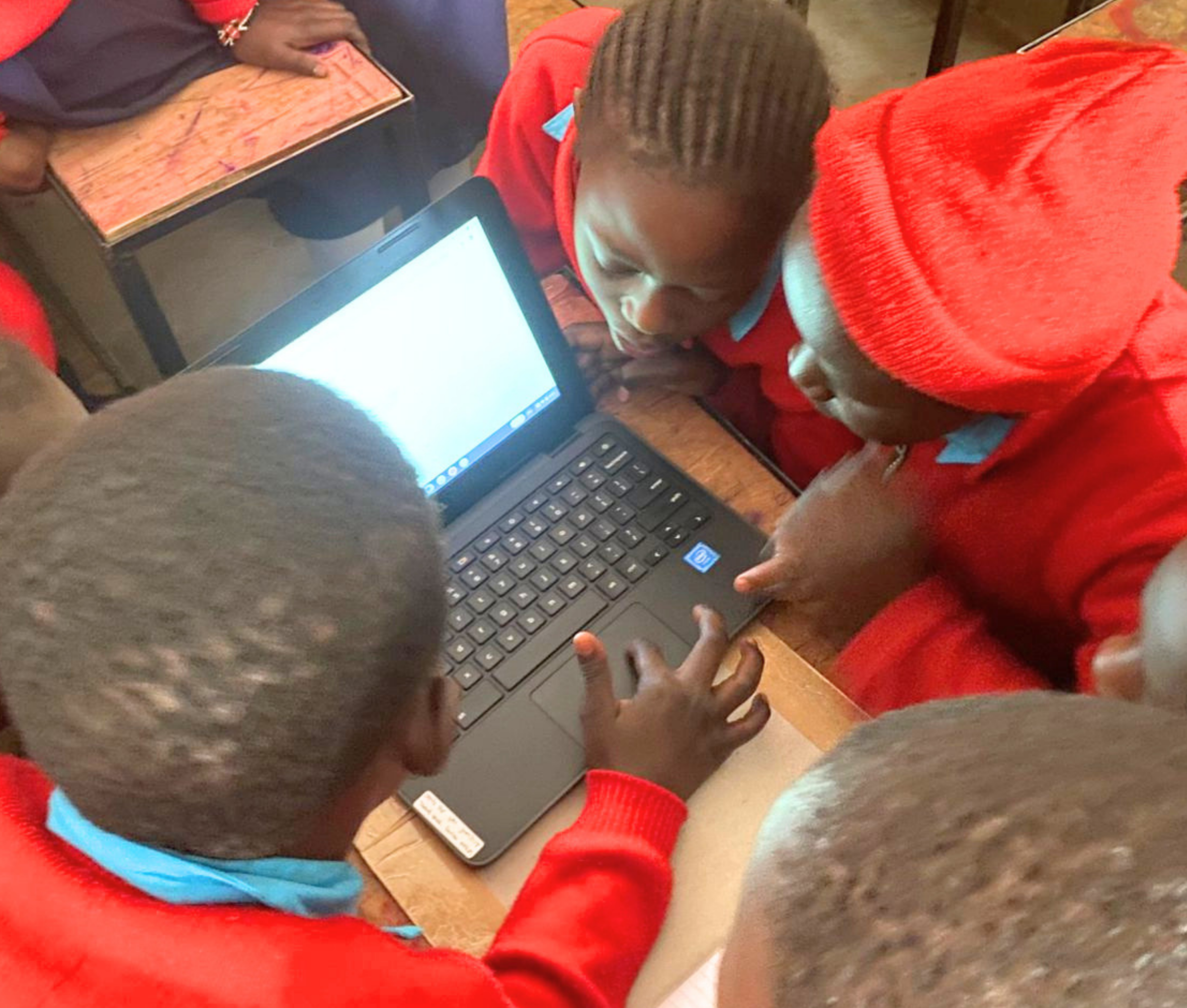
Children in underserved and marginalised communities should not be left out of conversations about digital safety. Some may have limited access to devices, connectivity or adult guidance. Media literacy programmes in primary schools can help children build skills step by step, using examples and language that make sense in their lives.
When children learn to ask questions about online content, recognise possible risks and seek help, they are better equipped to participate with confidence. Supporting those skills is part of creating fairer opportunities to learn and grow.
Factforward Digital Foundation works to strengthen media literacy for children and young people, with a focus on learners who are often underserved. Together, schools, families and communities can help children use digital spaces safely, thoughtfully and confidently.
Read more or join the conversation: What helps children in your community feel safe and confident when learning online?
Leave a Reply