
Children meet information every day—in lessons, conversations, television, social media and online videos. Some information is accurate and helpful. Some may be confusing, incomplete or false.
For primary school children, learning how to make sense of information is an important life skill. Media literacy helps children pause, ask questions and look for reliable guidance before believing or sharing what they see.
Fact-checking can sound complicated, but children can begin with a few simple questions:
- Who made this?
- What is it asking me to believe?
- Does another trusted source say the same thing?
- Could I ask a teacher, parent or caregiver?
These questions do not expect children to know everything. They help children practise curiosity and understand that it is okay to check before deciding.
Children learn by watching the adults around them. Teachers, parents and caregivers can model how to check a claim: pause, look for where it came from, compare it with a trusted source and admit when the answer is not yet clear.
If a child shares something that is inaccurate, responding with patience can keep the conversation open. Instead of shaming them, an adult can ask, “Where did you see that?” or “How could we find out if it is true?” This turns a mistake into a chance to learn.
Fact-checking also has limits. One correction may not reach everyone who saw a false claim, and some topics take time to understand. Being honest about uncertainty teaches children that careful thinking matters more than rushing to an answer.
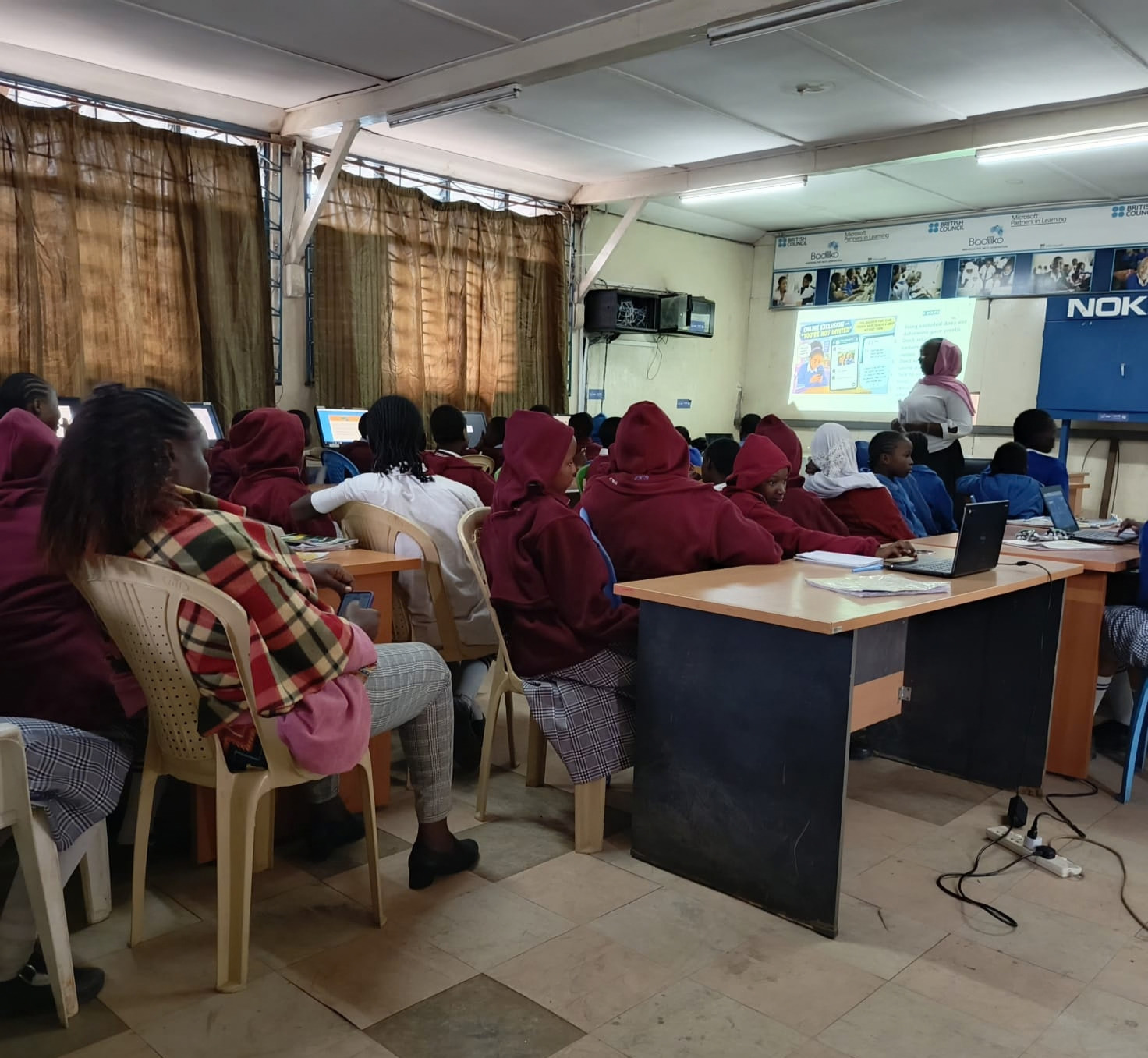
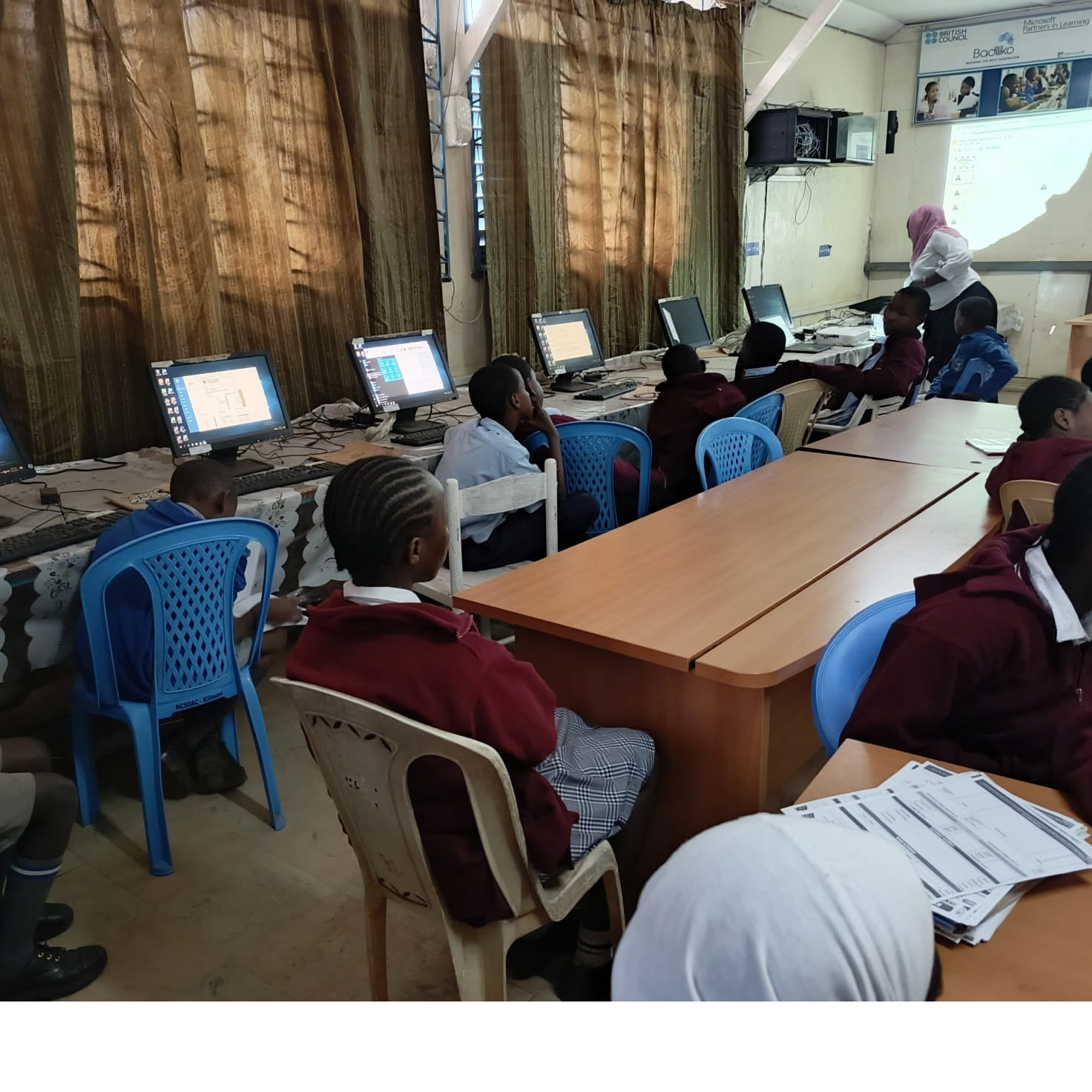
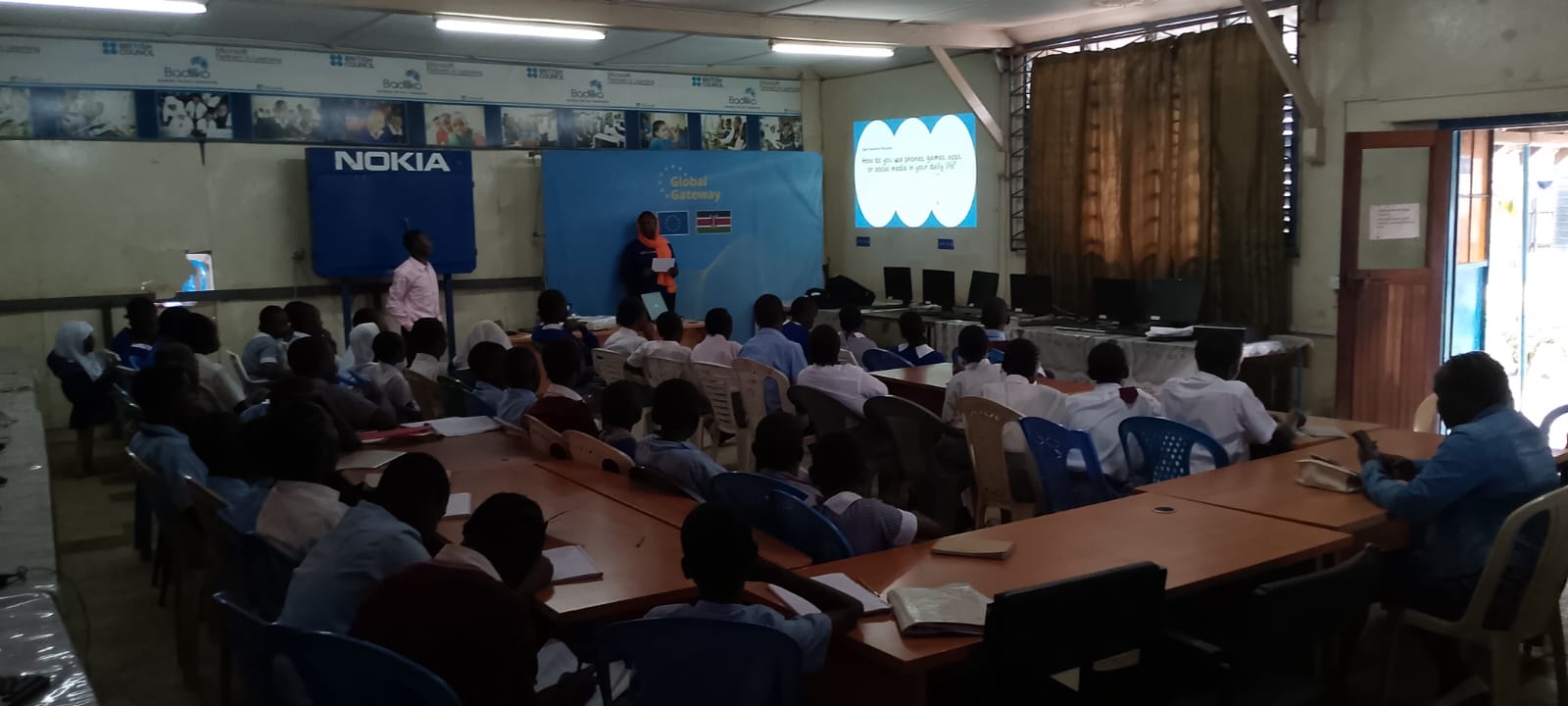
Children in underserved and marginalised primary schools should have the same chance to build media literacy skills as their peers. Lessons can use familiar, age-appropriate examples and invite children to discuss what they already encounter in their communities and online.
These skills can help children become more confident learners. They can recognise when they need help, make more informed choices and become thoughtful communicators as they grow.
Factforward Digital Foundation supports media literacy for children and young people, particularly those who have fewer learning opportunities. By working with schools, families and communities, we can help more children build the skills to question, check and understand information.
Read, share or partner with us: What questions do children in your community ask when they encounter something new or surprising?
Leave a Reply