
A school may not have a computer lab, but its children are already online. Are we preparing them for what they will encounter there?
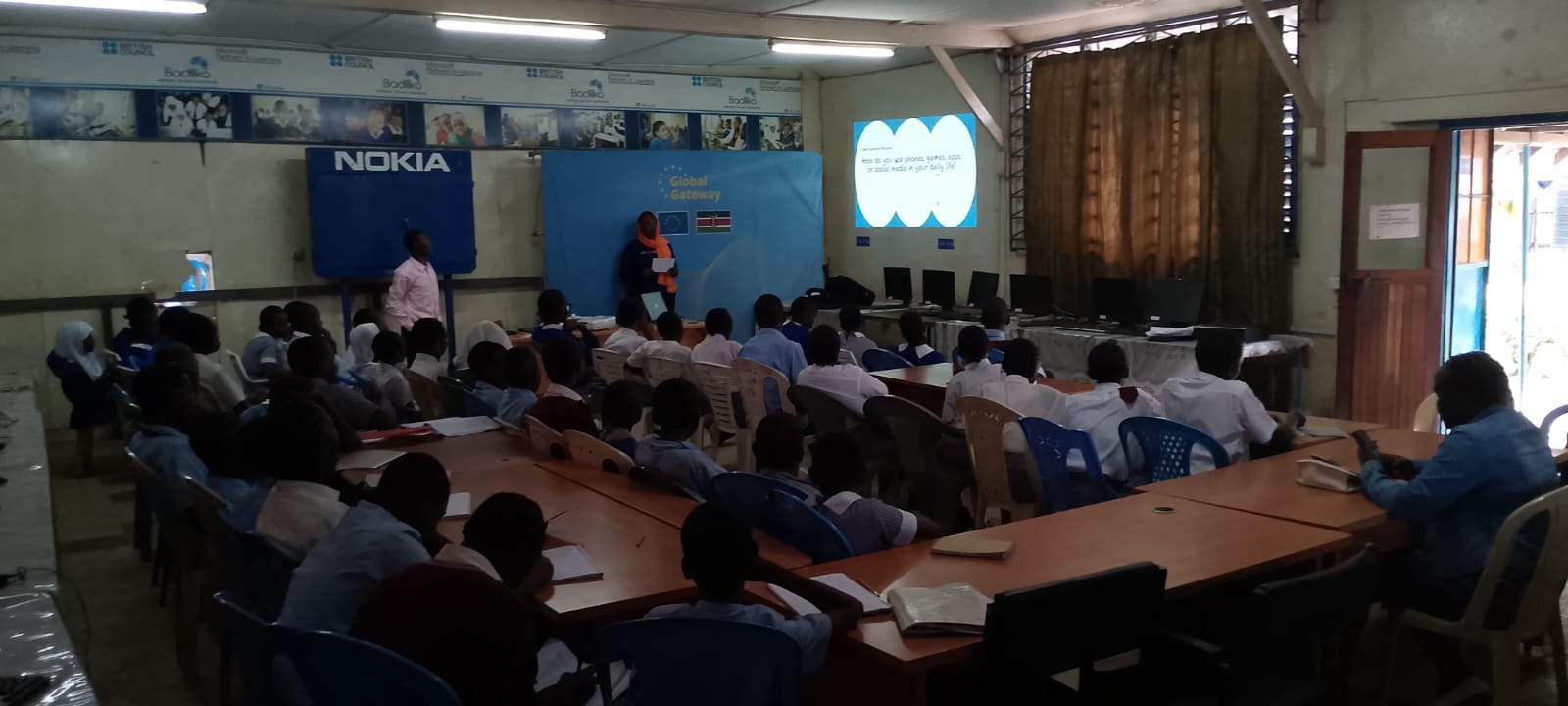
Last week, a teacher reached out to me with a request.
“Nadia, the children are almost closing school for the long holidays. We would like you to come and give them a brief talk about online safety so they have an idea of how to protect themselves while at home.”
I agreed.
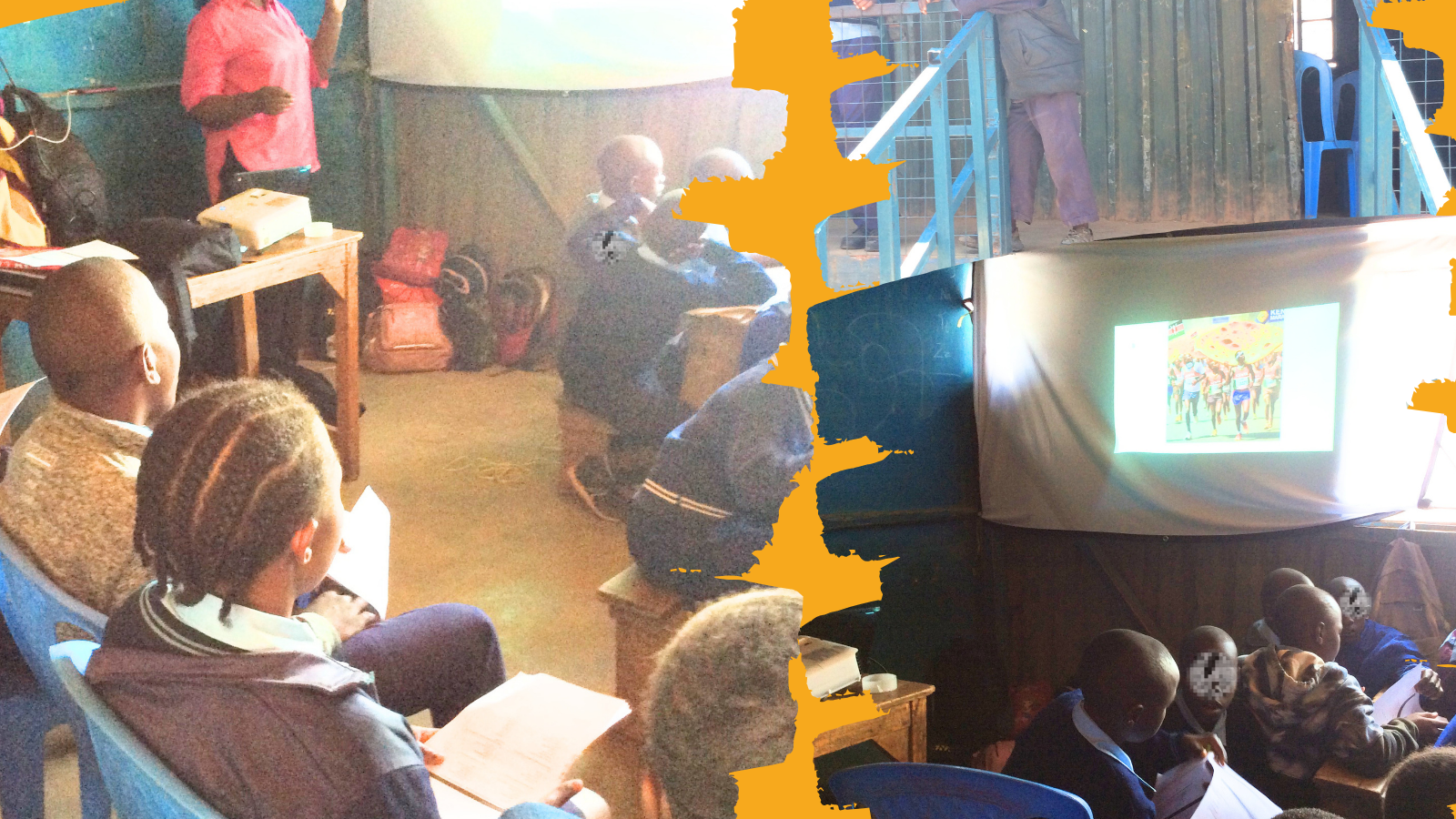
But when I arrived at the school, something caught my attention.
The school lacked basic digital infrastructure, including a computer lab.
So, I decided to ask the learners a simple question:
How many of you regularly access social media?
The response surprised me.
Out of 43 learners in the classroom, only six said they did not regularly go online.
Where did the others access the internet?
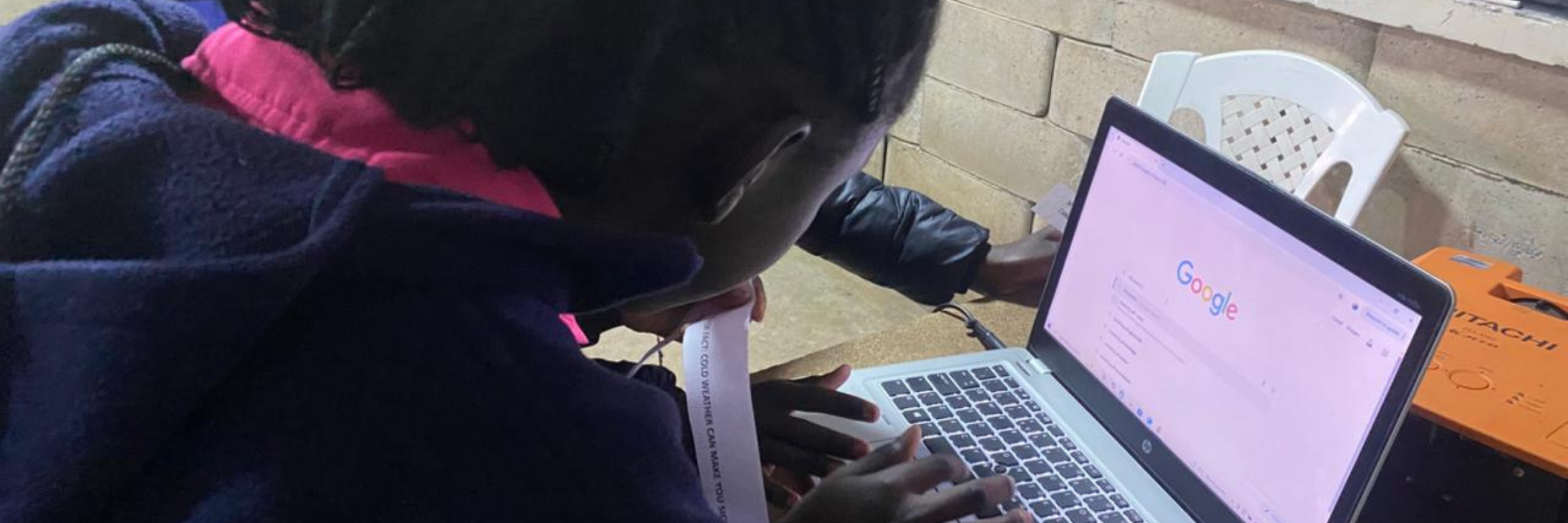
Through their parents’ phones. Their older siblings’ devices. Community cybercafés.
The school may not have the infrastructure to support digital learning, but the children are already participating in the digital world.
And that raises an important question.
When we talk about children’s online safety, are we looking beyond where the danger is coming from to understand who is already exposed to it?
We often discuss the digital divide in terms of internet connectivity, devices and infrastructure. These remain important priorities.
But there is another side to this conversation: the knowledge, skills and support children need once they get online.
During our conversation, a few learners disclosed that they had experienced online bullying. Some girls also shared that they had received messages from people they did not know.
These are not just digital literacy challenges. They are child protection concerns.
And they remind us that children in urban underserved communities are not waiting for schools to acquire computer labs before entering the digital world.
They are already there.
They are using shared devices. They are accessing social media. They are interacting with people. They are encountering information, and sometimes risks, they may not be equipped to navigate.
Internet access does not automatically translate into digital preparedness.
This is why, at Fact Forward Digital Foundation (FFDF), we believe media literacy, digital literacy and online safety education must go hand in hand.
Children need to learn how to question what they see online, recognise misinformation, protect their personal information, respond to cyberbullying, identify potentially unsafe interactions and know where to seek help.
And these conversations cannot happen only when schools are about to close for the holidays. They need to be part of children’s learning throughout the year.
Because the question is no longer simply whether children can access the internet.
It is whether we are equipping them to navigate it safely, critically and confidently.
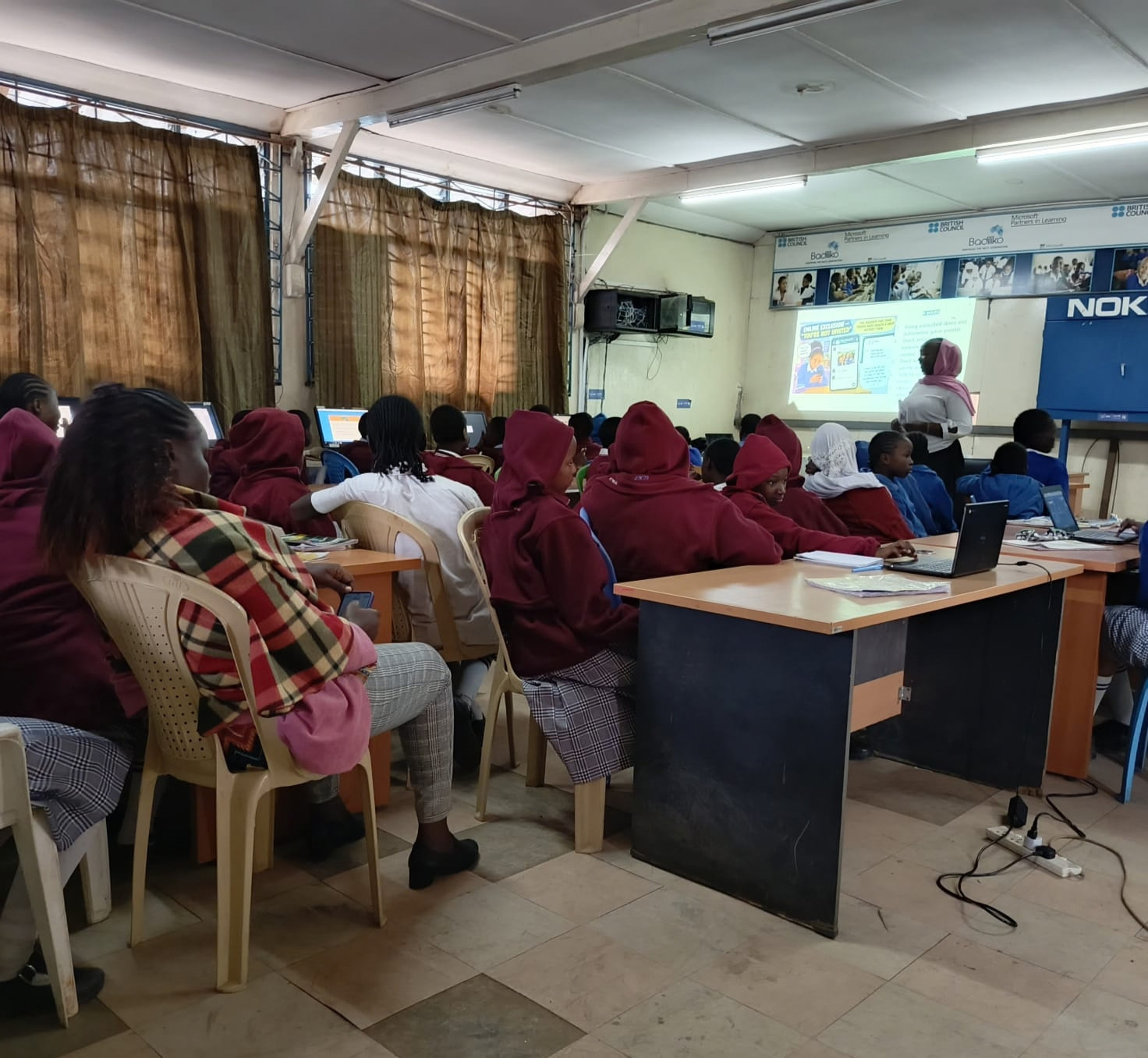
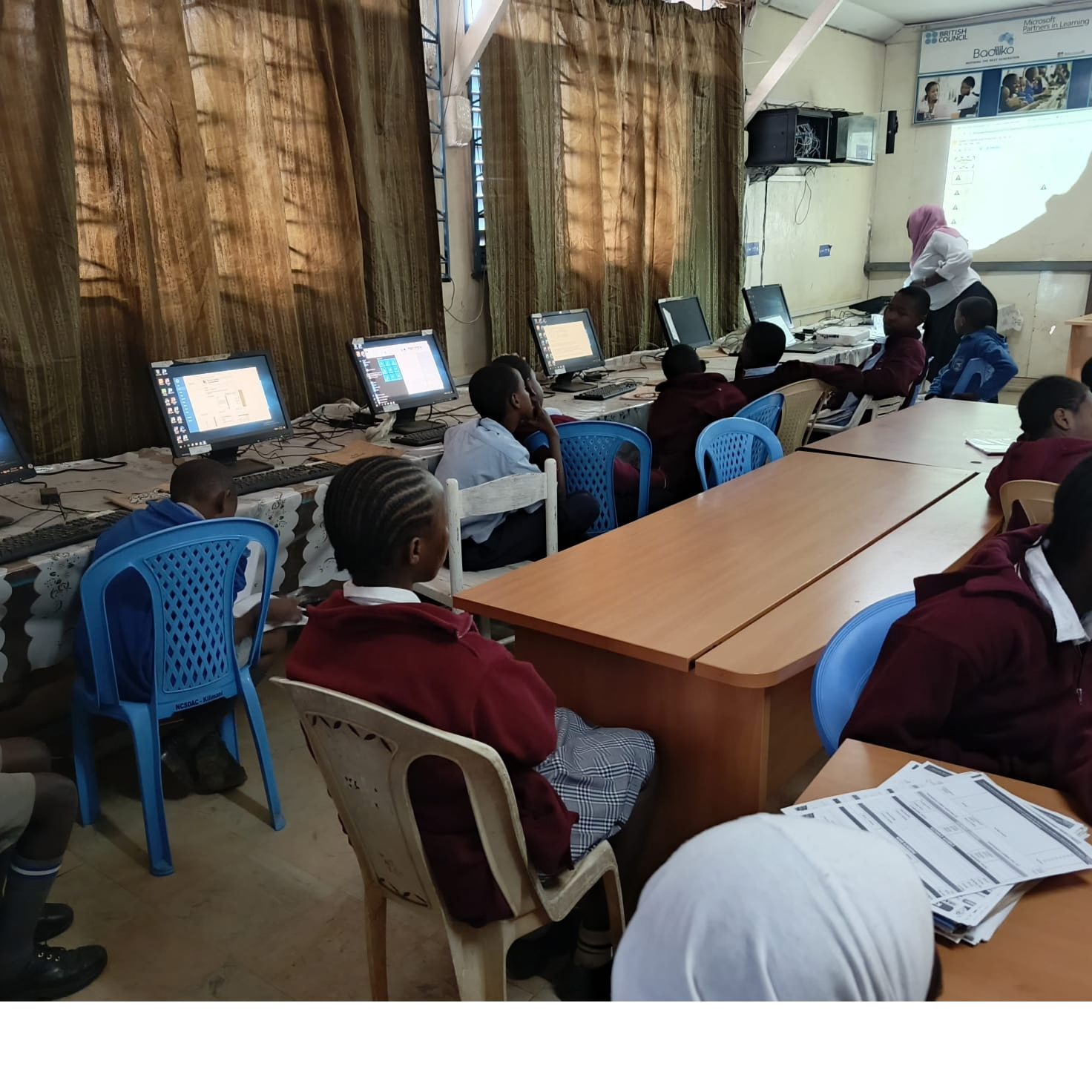
At FFDF, we are working to bring these essential skills into classrooms through practical learning activities and our Digital Child Protection / Digital Safety Toolkit.
We want to work with more schools, teachers, child-protection organisations and funders to reach children who are already online but may not have access to the guidance and support they need.
The digital divide is not only about who can connect. It is also about who is equipped to participate safely and meaningfully.
Leave a Reply