
Stories from Programmes
The Internet serves as a vast repository of images, videos, and texts, many of which are created by Artificial Intelligence (AI). This overwhelming amount of content can make it difficult to distinguish between reality and AI-generated material, especially for children and teenagers who are still forming their worldviews. To help children and youths develop digital literacy skills, the Fact-Forward team empowered students at Red Rose School in Nairobi with user-friendly digital tools. These tools enable them to identify AI-generated images and teach them to ask critical questions about the authenticity of an image.
Can You Spot an AI-Generated Image?
DETECT
Discover where? Open discussion and perusing social media to uncover authentic images and AI-generated images.
QUESTION?
An exploration of scepticism (what it is), the reasons behind it (why we engage with it), and the methods for effectively applying it (how to practice it)
FLAG
Uncover the Distinction Between Authentic Images and AI-Generated Creations
Setting the Scene: During this session, we examined the learners’ understanding of artificial intelligence, the advantages and disadvantages of AI-generated content in education, and the various tools available for effective learning. This content is crucial in today’s digital age and sparked the learners’ interest.
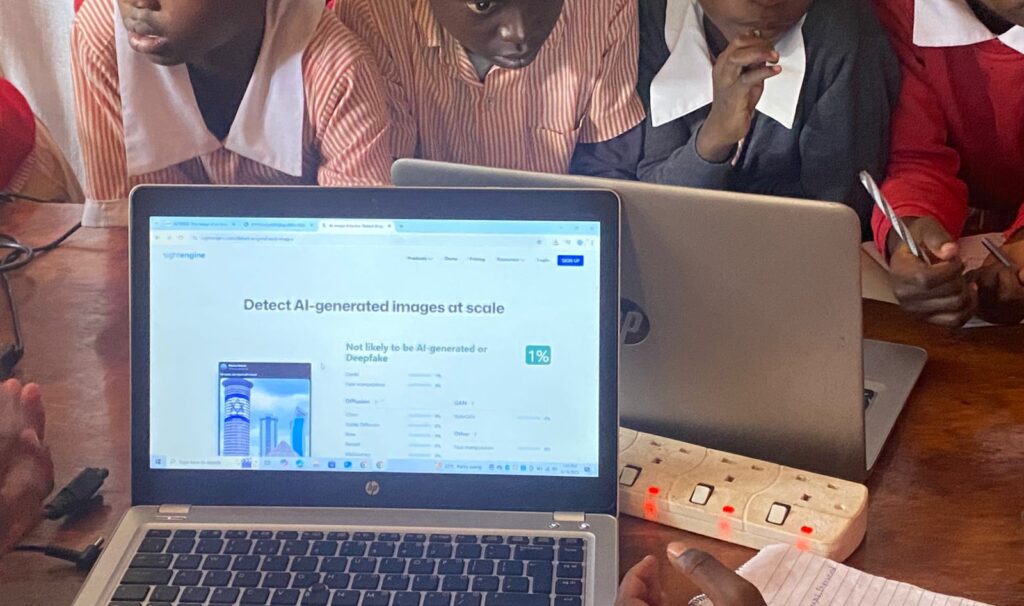
Things to Consider: During our exploration, we questioned whether learners could identify AI-generated images and distinguish them from real photographs. We encouraged them to consider why an image was created, who posted it online, and to examine details to determine its origin. Learners were prompted to think about whether the image was intended to spread false information or was meant to mislead or bully someone.

BE AWARE: Finally, we introduced learners to a range of online tools that can effectively detect AI-generated images and differentiate them from real ones. These practical tools can be used to flag AI-generated photos that contribute to combating online misinformation & disinformation.
THE WHAT & WHY
EXPLORATION
DEBUNK
Teaching media literacy to learners across diverse age groups is not just a challenge; it’s a vital opportunity to enhance their education and nurture critical thinking skills. Establishing a safe and inclusive environment is crucial for fostering learners’ interaction, expression of opinions, and engagement in meaningful discussions. As an instructor, your role in promoting critical thinking is invaluable, particularly when addressing pressing issues related to misinformation and disinformation.
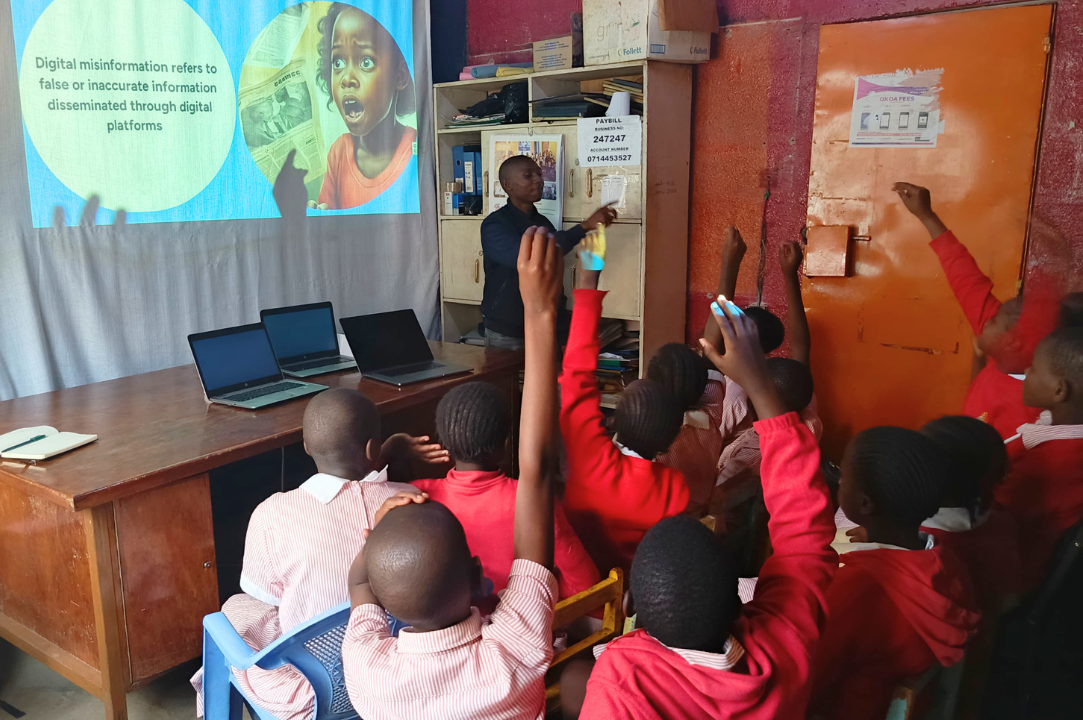
Setting the Scene: In this session, we conducted a thorough assessment of learners’ understanding of digital misinformation and disinformation, delving into their perspectives on various digital platforms. We uncovered the profound characteristics of disinformation and its detrimental effects on individuals and society as a whole. Learners actively shared their encounters with false information online, enriching our collective understanding. To further engage them, we organised an exciting ‘True or False’ game, a practical application of the session’s learnings that fostered camaraderie and honed their critical thinking skills in a fun and interactive way.

Exploration:During the exploration phase, we introduced learners to compelling real-life examples of misinformation and fake news, creating a dynamic learning experience. Together, we examined actual instances of fake news online, empowering students to use tools like Google Search to reveal the truth behind viral images & news sites. Key terminologies were introduced, and by the end of the session, learners confidently defined crucial concepts related to misinformation, including facts, opinions, fact-checking, debunking, artificial intelligence, and disinformation.
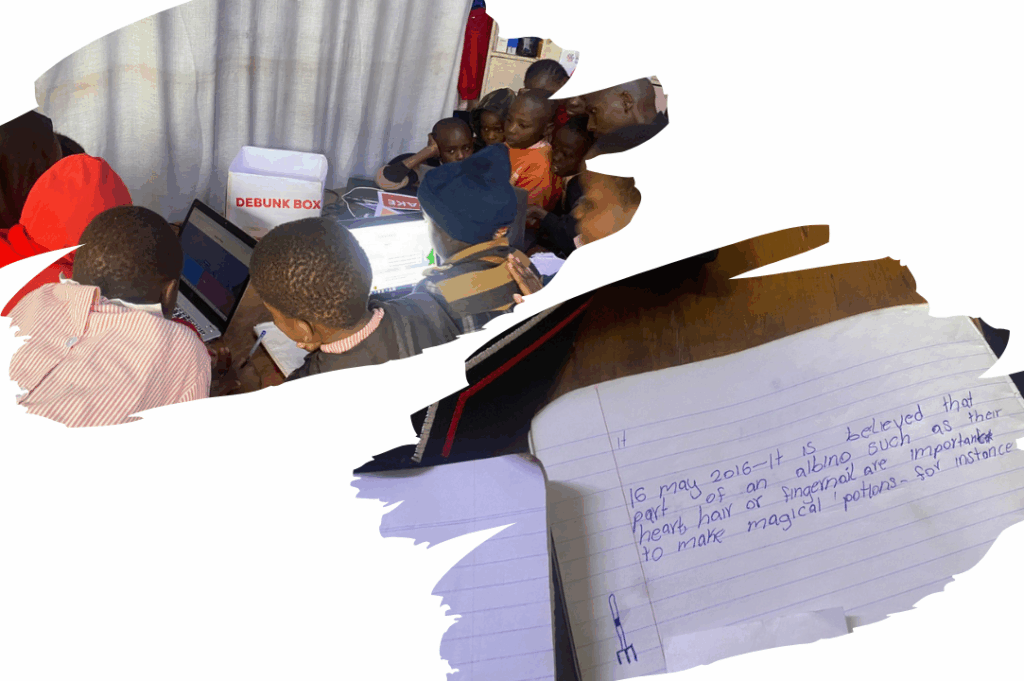
Uncovering the Truth: Learners took the lead in fact-finding groups to investigate and debunk misconceptions surrounding viral, relatable, fake, and misleading claims. By the end of the session, they were not just passive consumers of information but active participants in flagging false news and deceptive images, equipped with powerful online tools and insights provided by the facilitator. Together, we are shaping a generation of informed digital citizens who are ready to challenge misinformation and champion the truth.
LET’S PLAY
& LEARN
LET’S PLAY AND LEARN
At Fact Forward, we believe that learning is most effective when it is engaging, interactive, and fun. That’s why we use a unique Play & Learn approach to help children understand and combat misinformation from an early age.
In a world where false information spreads rapidly online and offline, children need more than access to information—they need the skills to question, analyze, and verify what they see and hear. Through carefully designed games, outdoor activities, and interactive learning experiences, we empower young learners to develop critical thinking skills while enjoying the process of learning.
Why Play Matters
Research consistently shows that play is one of the most powerful tools for learning and development. It supports children’s cognitive, social, emotional, and physical growth while helping them build essential life skills such as problem-solving, teamwork, communication, empathy, and resilience.
Studies have found that play-based learning can improve problem-solving abilities by up to 45%, while 70% of teachers report better classroom behaviour when play is integrated into learning. Through play, children gain confidence, strengthen their decision-making skills, and learn how to evaluate situations from different perspectives.
These skills are critical in today’s digital world, where young people are constantly exposed to information, opinions, myths, traditions, and beliefs that shape how they understand the world.
Tackling Misinformation Through Play
Our Play & Learn activities create safe and inclusive spaces where children and young people can openly share ideas, ask questions, and explore different viewpoints without fear of judgment.
By encouraging active listening, collaboration, and respectful dialogue, participants learn to recognize bias, challenge assumptions, and understand the importance of evidence-based thinking. This approach helps break down barriers created by misinformation, stereotypes, myths, and misinformation-driven narratives while promoting mutual understanding and respect.
Through interactive games and outdoor learning experiences, children learn not only how to identify misleading information but also how to think independently and make informed decisions.
Our Play & Learn Goals
Through every activity, we aim to help children:
- Discern what is true and what is false.
- Develop strong critical thinking and problem-solving skills.
- Break the monotony of traditional classroom learning.
- Build friendships, trust, and teamwork.
- Strengthen communication and active listening skills.
- Challenge misinformation and information barriers from an early age.
- Explore and understand different perspectives and worldviews respectfully.
- Build confidence, resilience, and curiosity.
- Become responsible digital citizens prepared for the future.
Preparing Children for a Complex World
Learning through play is more than entertainment—it is preparation for life. The skills children develop through play help them navigate school, relationships, work, and the increasingly complex digital landscape. By fostering curiosity, critical thinking, empathy, and media literacy, we are helping raise a generation of informed, resilient, and responsible young people who can confidently distinguish fact from fiction and contribute positively to their communities.